


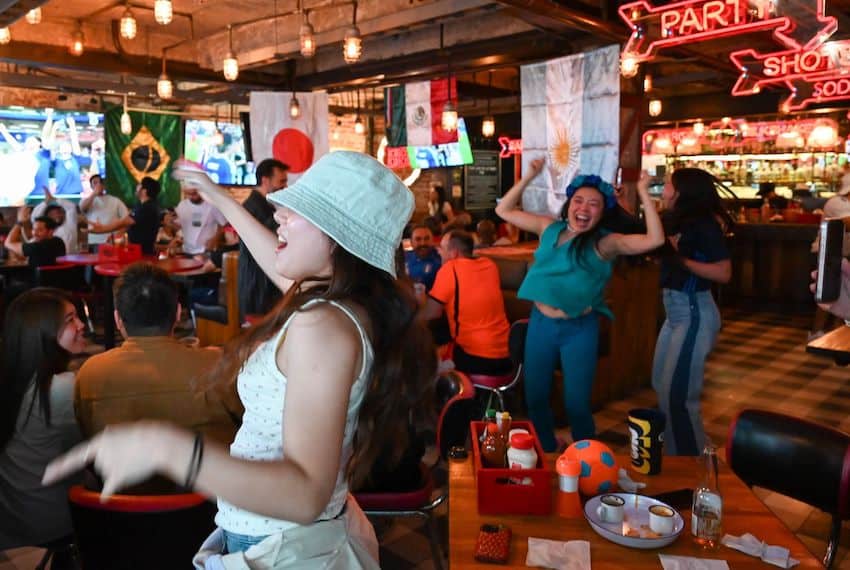
The Mexican men’s national team’s win against South Africa in the World Cup opener last Thursday foreshadowed the tournament’s positive economic impact of almost US $70 million for Mexico City, according to calculations by Forbes Mexico and the Confederation of National Chambers of Commerce, Services and Tourism (Concanaco Servytur).
This economic boost was driven by the tourism, consumer and entertainment sectors, particularly by increased hotel occupancy, food and beverage sales and sporting goods purchases, with restaurants and bars reporting sales increases of up to 40% during the tournament’s inaugural weekend.
World Cup windfall has yet to land, as hotel occupancy in CDMX, GDL and MTY falls short
The preliminary report overrides a less rosy picture from the Mexican Employers’ Confederation in Mexico City (Coparmex CDMX), which claimed that hotel occupancy did not meet the 80% expected. Concanaco Servytur’s report, however, found that hotel occupancy in the three host cities — Mexico City, Monterrey and Guadalajara — was indeed over 80%.
“The World Cup is demonstrating that sport can be an engine of growth and tourism promotion for Mexico,” said the president of Concanaco Servytur, Héctor Tejada Shaar.
The economic impact of the sports event was also noticed in the e-commerce sector, with Mercado Libre and Amazon reporting increased sales of jerseys, soccer balls and televisions. Delivery apps also registered peak demand during the inaugural match.
The influx of domestic and international visitors also boosted air and ground transportation use, with Mexico receiving more than 45,000 additional passengers on domestic flights over the weekend.
The challenge will be maintaining economic momentum during the subsequent phases of the tournament, with the final Mexico-based match to be played on Sunday, July 5, in Mexico City, ahead of the tournament final on July 19.
The 2026 FIFA World Cup is expected to generate an economic impact of 65 billion pesos (US $ 3.8 billion) nationwide. However, previous reports suggest the tournament is unlikely to have a significant knock-on effect on the country’s GDP and is unlikely to be sufficient to support a sustained change in private consumption.
With reports from Mundo Ejecutivo and Expansión
