


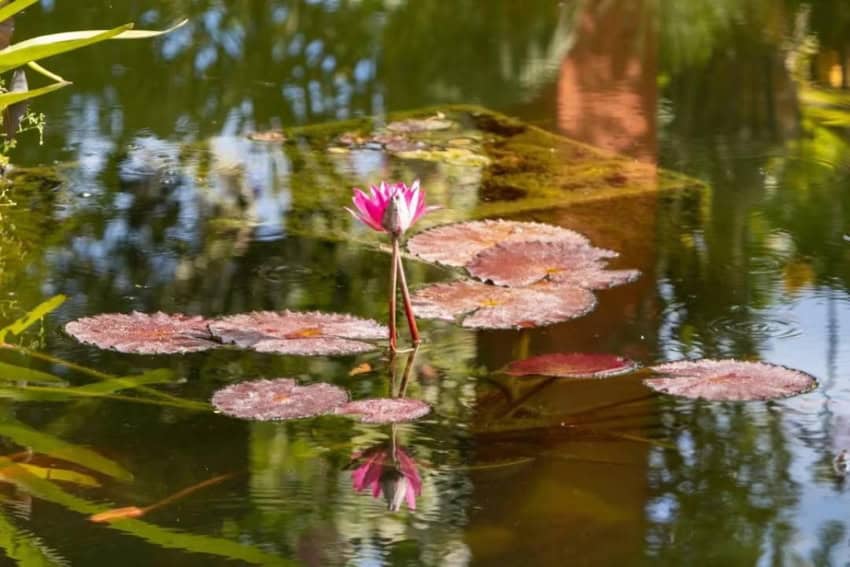
The Vallarta Botanical Gardens (VBG) has pulled back the curtain on the work taking place beyond its walking trails and colorful displays with the release of its 2025 Annual Report, offering the public a comprehensive look at the organization’s conservation, research and education efforts.
While visitors know the VBG for its orchids, jungle trails and riverside setting south of Puerto Vallarta, the report paints a broader picture of an institution that’s grown into one of western Mexico’s leading centers for plant conservation and environmental stewardship.
The history and scale of Vallarta Botanical Gardens
Founded in 2004 on what was then degraded cattle pasture and agave fields, the non-profit VBG was established with a mission to conserve and celebrate unique regional plant biodiversity. More than two decades later, that mission now extends across habitat protection, botanical research, environmental education and sustainable community development.
Among the report’s most striking figures is the scale of the living collection at VBG. More than 1,200 plant species and hybrids are cultivated on the property, making it one of the region’s most significant botanical collections.
Throughout the year, more than 1,000 species flower at different times, creating an ever-changing landscape while providing opportunities to study and preserve rare native plants. The collection includes around 30 species found only in Jalisco, representing roughly 10% of the state’s endemic flora.
As these plants are naturally grown nowhere else in the world, protecting them holds a special significance.
Conservation challenges
Conservation remains at the heart of the VBG mission.

According to the report, the institution maintains at least 60 plant species officially classified by Mexican authorities as being at risk. In addition, more than 250 species in its collection are listed by the International Union for Conservation of Nature as vulnerable, endangered or critically endangered.
Maintaining these collections is about far more than display. By cultivating threatened species outside their natural habitats, botanical gardens provide an important insurance policy against extinction, preserving genetic diversity that could one day support habitat restoration or species recovery efforts.
Areas of research
For many plants native to western Mexico, collections such as these may become increasingly important as climate change, urban development and habitat loss continue to place pressure on wild populations.
Research is another major focus highlighted throughout the report.
Many native plants from western Mexico have never been extensively cultivated, meaning scientists have limited information about how to propagate and maintain them successfully.
Garden staff conducts ongoing research to understand these species better, developing cultivation techniques that can be shared with botanical institutions and conservation organizations both within Mexico and abroad.
That work has helped establish the Vallarta Botanical Gardens as more than a display garden. It functions as a living laboratory where horticulture, science and conservation intersect, generating knowledge that contributes to the long-term preservation of Mexico’s botanical heritage.
The VBG as an educational tool
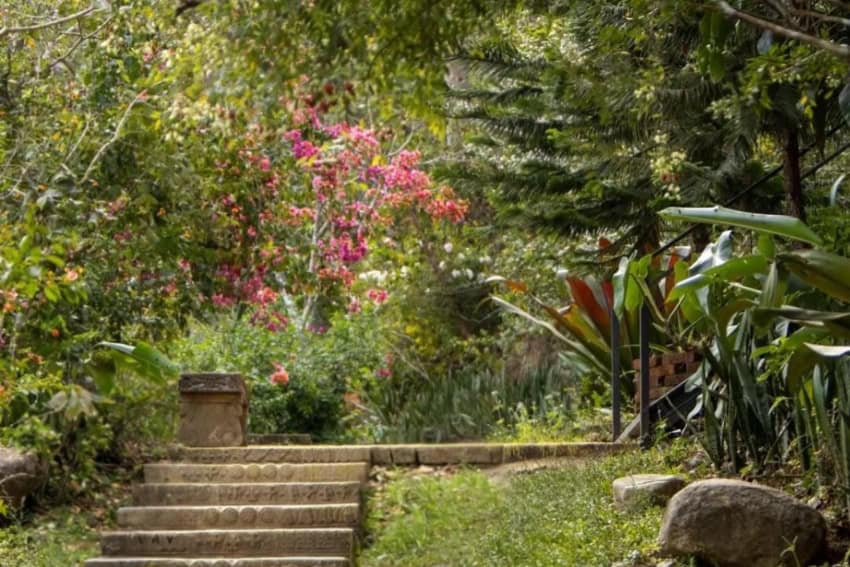
Education also forms a central part of the organization’s mission.
Each year, thousands of Mexican schoolchildren visit the VBG through environmental education programs designed to foster an appreciation for native ecosystems, biodiversity and conservation.
Hands-on experiences allow students to connect with the natural world while learning about the environmental challenges facing the region and the role they can play in protecting it.
The report also highlights ongoing work beyond the garden gates.
Conservation efforts within the Los Horcones River Basin include habitat protection, watershed conservation and projects aimed at preserving the ecosystems that support countless plant and animal species. These initiatives are made possible through partnerships with local communities, volunteers, members and donors whose support extends the impact of the VBG far beyond its cultivated landscapes.
Visitorship and its importance
Although conservation is its primary mission, the Gardens remain one of Puerto Vallarta’s most visited attractions, welcoming travelers from around the world. Visitor admissions, memberships and donations help fund scientific research, conservation initiatives and educational outreach, creating a model in which tourism directly supports environmental protection.
The report brings together these achievements in a single publication, offering supporters a clearer understanding of how the organization’s resources are being invested and where its priorities lie for the future. It also serves as an invitation for continued community involvement through memberships, volunteer opportunities and charitable giving.
For many visitors, the Vallarta Botanical Gardens are remembered for spectacular orchids, tropical flowers, hummingbirds and peaceful jungle walks. The 2025 Annual Report reveals another side of the institution. It’s one rooted in scientific discovery, conservation leadership and a long-term commitment to protecting the extraordinary biodiversity of western Mexico.
As environmental challenges continue to grow globally, the report underscores the increasingly important role botanical gardens play. Not simply as beautiful places to visit, but as living museums, research centers and conservation organizations working to safeguard plant life for future generations.
Charlotte Smith is a writer and journalist based in Mexico. Her work focuses on travel, politics and community. You can follow along with her travel stories at www.salsaandserendipity.com.
