


Daily Newsletter
Study respondents reacted more negatively toward artists committing sexual assault than murder. Plus, an unexpected pairing with Picasso’s “Guernica.”
You know, I’ve long wondered what exactly gets you canceled in the art world, because it doesn’t seem like a whole lot does. A recent psychological study is somewhat illuminating: Respondents reacted more negatively toward an artist accused of sexual assault compared to one accused of murder.
In this time of war, the Reina Sofía puts art history’s most recognizable anti-war painting — Picasso’s “Guernica” (1937) — in dialogue with other artworks to explore political parallels. Right now, it’s paired with South African artist Dumile Feni’s large-scale charcoal drawing “African Guernica” (1967) — particularly timely, Agnish Ray writes, as racial hostilities simmer in Spain.
Meanwhile, a garden grows in Queens — Editor-at-Large Hrag Vartanian visits artist and poet Precious Okoyomon’s commission in the courtyard of MoMA PS1, which invites viewers to enter a giant teddy bear’s butt and slide through its mouth.
—Lisa Yin Zhang, associate editor
Sexual Assault Allegations Get Artists Canceled More Than Murder, Study Finds
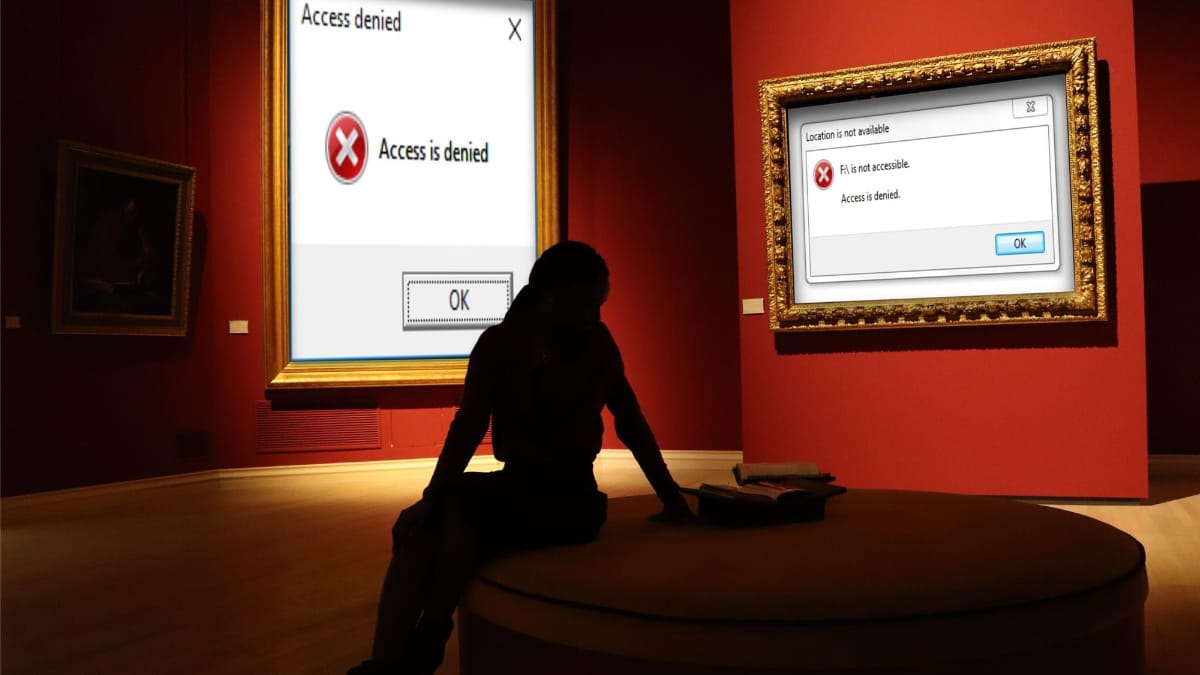
A recent psychological study on so-called “cancel culture” and artistic impact found that its respondents reacted more punitively toward an artist accused of sexual assault (SA) compared to an artist accused of murder.
The sentiment was consistent whether the artist was previously unknown or identified as a respondent’s favorite, and the study revealed that political orientation was not a predictor across the responses. | Rhea Nayyar
Read More
Features

From Our Critics
Widline Cadet’s Doubled Diaspora
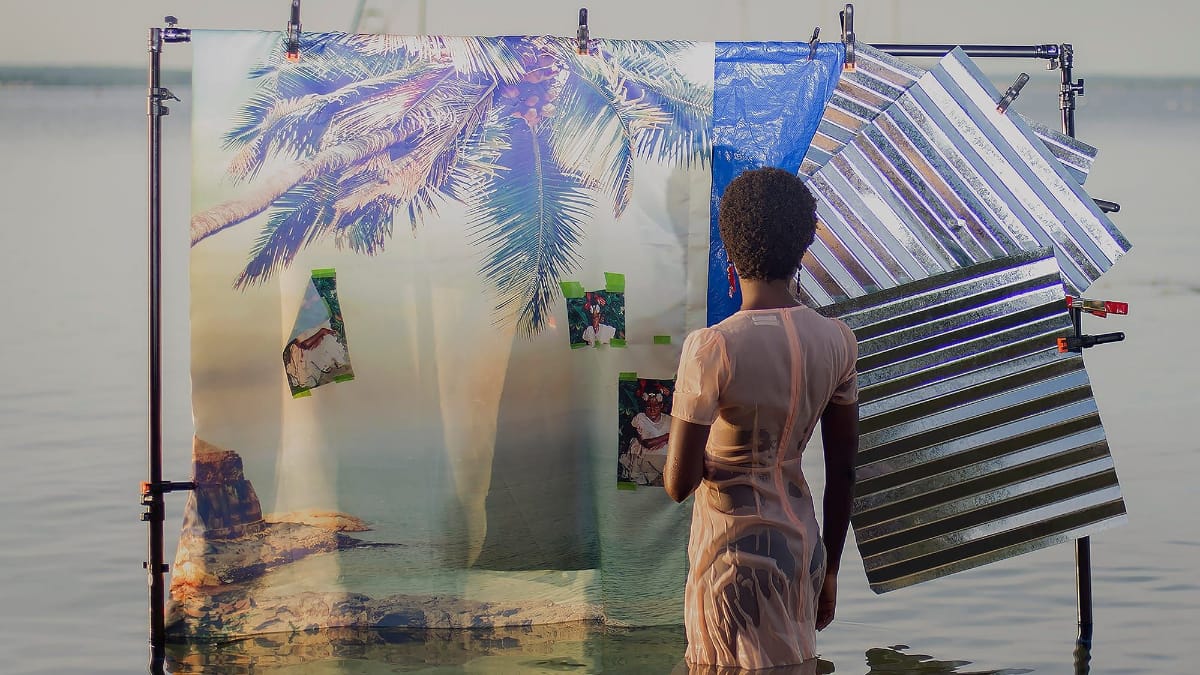
The Haitian-born photographer explores how various media, from dusty analog photo albums to cell phone videos, store and shape personal histories of migration. | Debra Brehmer
Read More
ICYMI