


The Russian-Slovak intergovernmental commission for economic cooperation is set to meet for the first time since the escalation of the Ukraine conflict
Slovakia will discuss economic cooperation with Russia, including energy supplies, in Moscow next week, the Slovak Foreign Ministry has said.
The landlocked EU nation has remained a buyer of Russian oil and gas despite the deterioration of the ties between Moscow and the EU in the wake of the escalation of the Ukraine conflict. The country is supposed to phase out Russian energy by late 2027 under the bloc’s plan to replace Russian oil and gas supplies from elsewhere.
The Russian-Slovak intergovernmental commission for economic, scientific, and technical cooperation has been inactive since November 2021 but is now set to meet next Monday, the Slovak Foreign Ministry announced late on Tuesday. The commission will discuss a broad range of topics, including farming, environment, sports, and culture, and focus on energy supply, including nuclear energy, according to the ministry.
“The fundamental topic will be energy and the possibility to cooperate in securing supplies of strategic resources. The Slovak side is also interested in discussing gas supplies and the continuation of oil supplies,” it said in a statement.
Bratislava continues “to base its approach on its European Union and North Atlantic Alliance membership and keeping commitments of this membership” but wants to create room for dialogue, the ministry said.
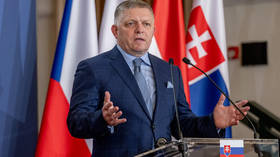
Slovakia dissented on the EU’s course to dismantle ties with Moscow and prop up Kiev in the conflict after Robert Fico retook the prime minister’s office in October 2023, for the fourth time in his long political career. Under Fico, Slovakia has remained skeptical of assisting Ukraine and of Kiev’s push to join NATO, while halting government weapons shipments and calling for peace. The stance has resulted in repeated public spats between Bratislava and Kiev, as well as criticism from Brussels.
Last month, Fico warned that Europe was moving dangerously close to a direct clash between NATO and Russia, accusing the West of seeking a “pretext” for a major conflict. He accused EU nations of engaging in increasingly bellicose rhetoric and described the Ukraine conflict as “out of control.”
“The situation has never been as serious and tense regarding the possibility of a pan-European war conflict as it is now,” he said.
You can share this story on social media: