


Weekly Newsletter
John Yau on Roy Lichtenstein, Megan O’Grady on John Berger, and Paddy Johnson answers the question: Do I need an agent?
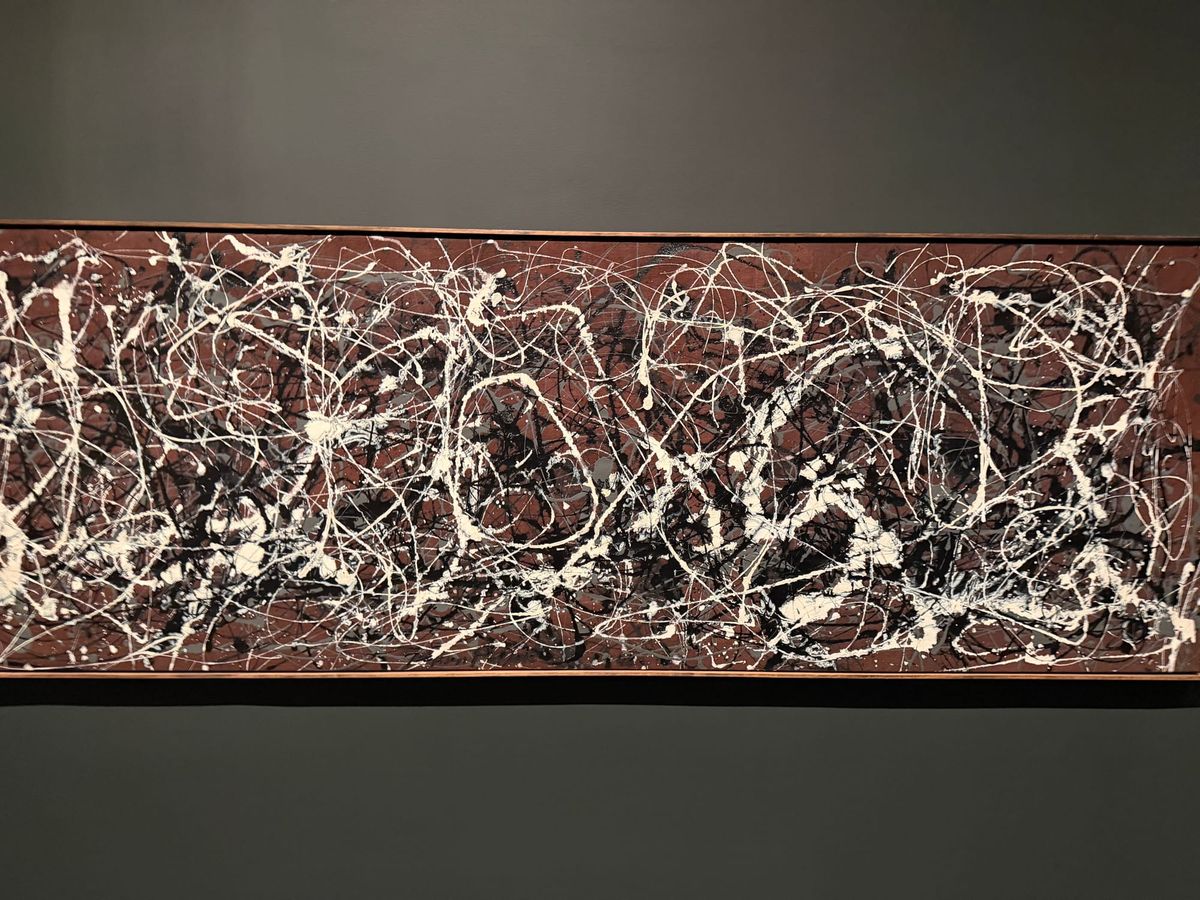
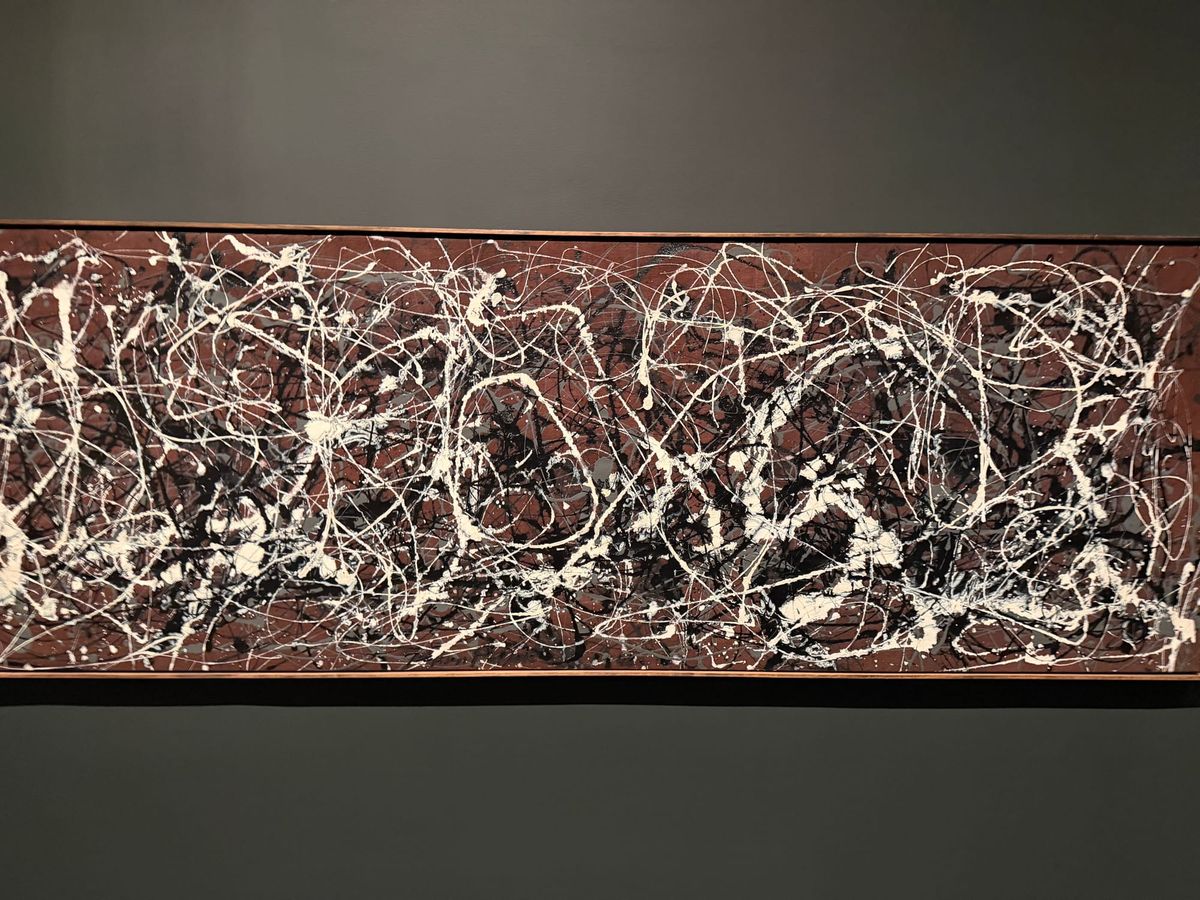
It’s a sunny October afternoon in Manhattan and the steps of the Metropolitan Museum of Art are bustling with visitors. Tourists pose for selfies against the museum’s facade; street vendors sell chopped-up hotdogs in a nest of French fries; and the sound of saxophone music drowns into the symphony of splashing water fountains and honking cars on Fifth Avenue. So many types of people; the only ones missing are the Lenape whose land was stolen so we could enjoy this fine Indigenous Peoples’ Day on the steps of The Met.
Inside the museum, a blockbuster exhibition about Abstract Expressionist painters Lee Krasner and Jackson Pollock is jam-packed. The show is as much about their mutual influence as it is about their marriage, their most difficult collaboration.
I hear a woman from behind accusing me of “White privilege” because I apparently cut her in line. I turn around and say, “What White privilege? Look at me.” She takes a quick look and corrects herself, “Okay, so male privilege.”
I turn on Democracy Now and listen to a 30-minute conversation about settler colonialism. I notice a Jeep Wrangler ahead of me with a sticker proudly announcing, “primitive man.” I shudder at first but quickly come to admire the driver’s honesty. War Secretary Pete Hegseth threatens to livestream an execution by firing squad.
At the Brooklyn Museum, I pause by a display of Indigenous Kachina dolls that were given to Hopi girls and women living in what is now Arizona. Who made them and how they got here we don’t exactly know, but now they belong to the museum’s Center for Feminist Art.
At the end of the day, my shoulders are tense and my brain cooked, and my only wish is to lie down idea-free, opinionless, primitive.
—Hakim Bishara, editor-in-chief
Roy Lichtenstein Has Lost His Luster
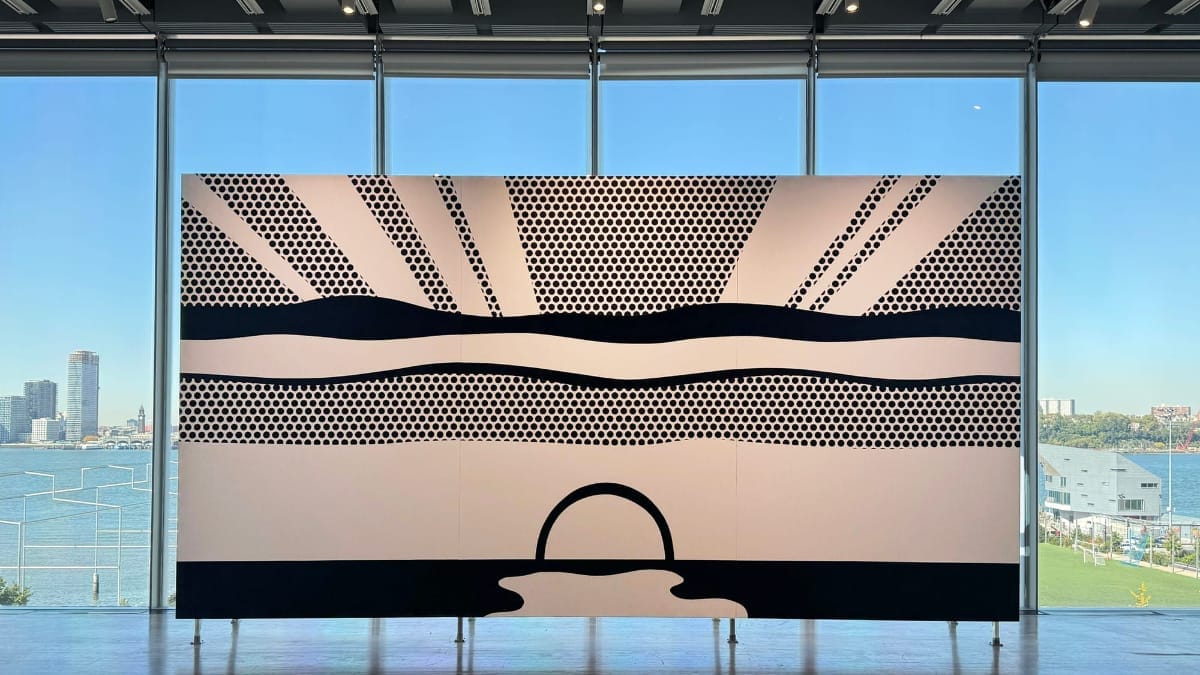
Roy Lichtenstein’s paintings stick in your mind. They are memorable and congenial. When I went to Roy Lichtenstein: Like New, the first major survey of his work in more than 30 years, at the Whitney Museum, I expected to be surprised by something new the curators dug up in their research into the sources of many of the more than 130 paintings, sculptures, drawings, and prints on view. I was not initially disappointed. | John Yau
Read More
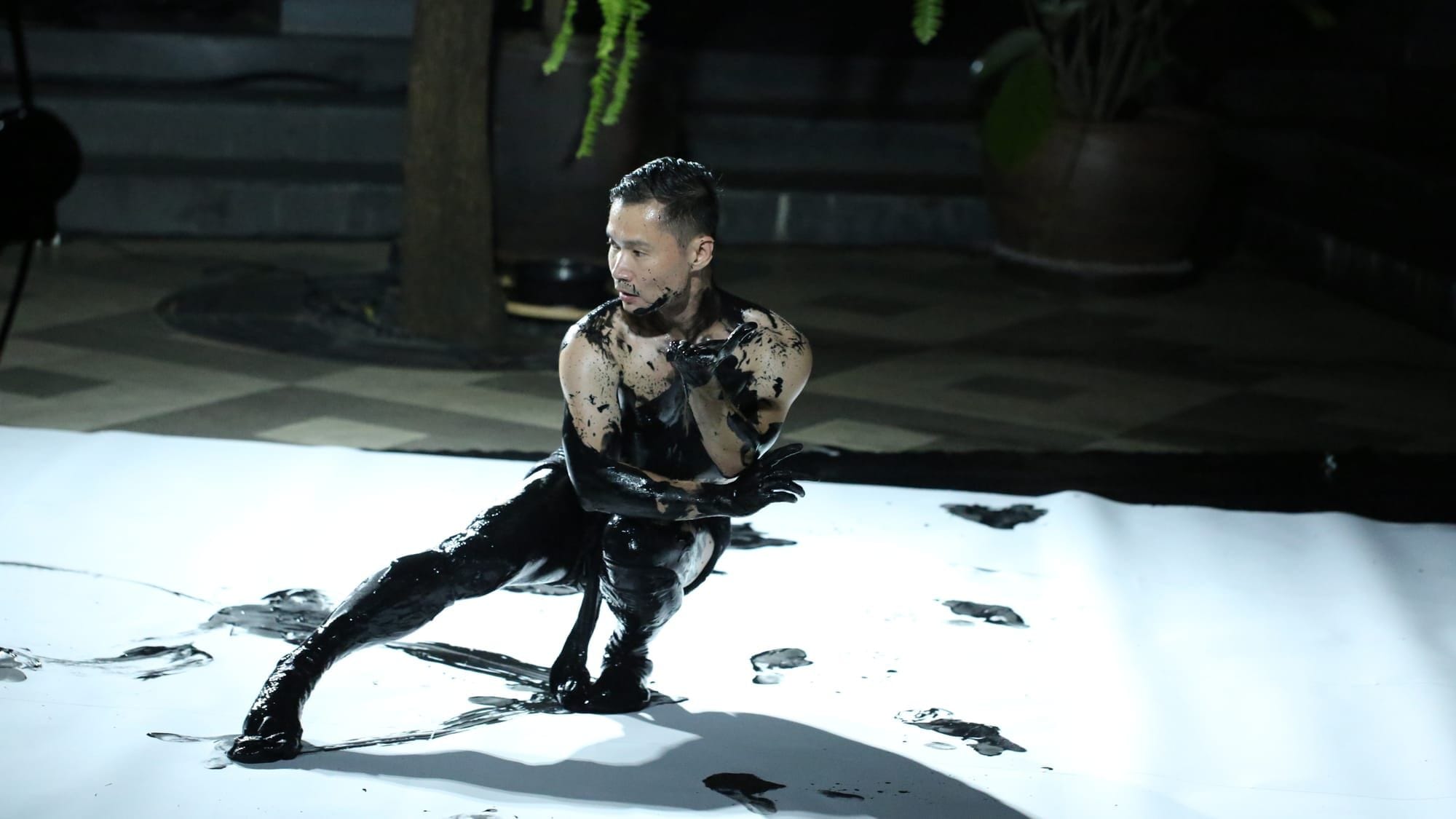
Funding International Dialogue: The Asian Cultural Council Opens 2027 Global Grant Cycle
ACC invites artists, arts professionals, scholars, and organizations to apply from Oct 1 to Nov 10, 2026.
Learn more
News
From Our Critics
Books
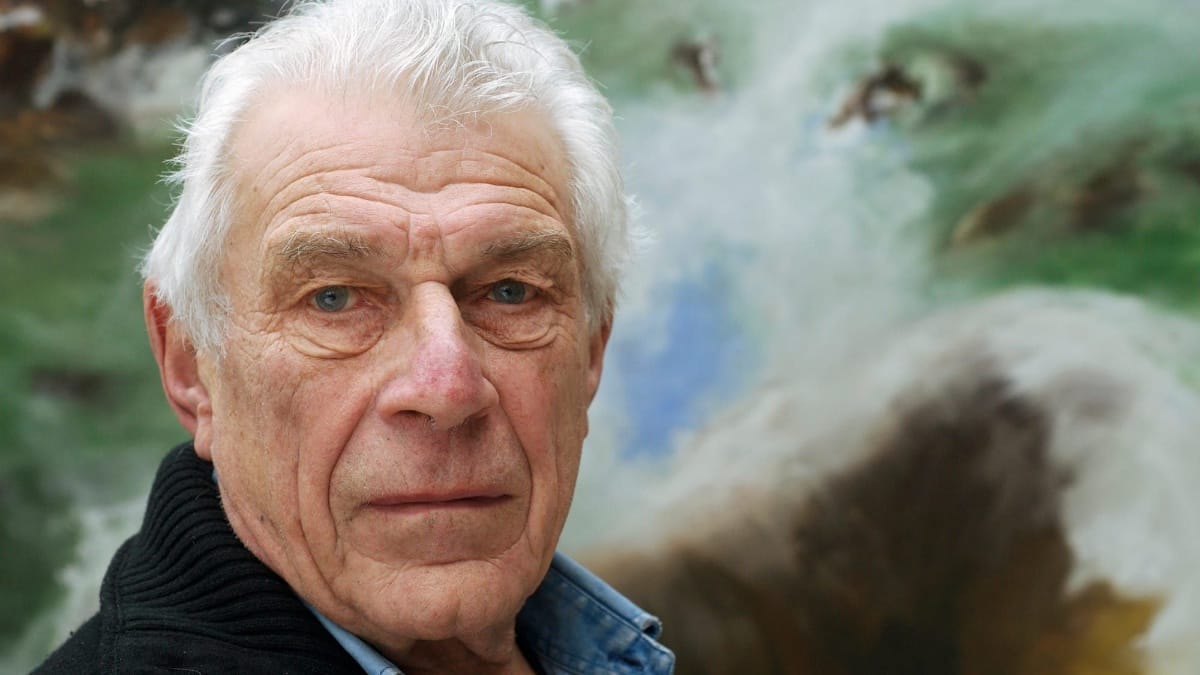
John Berger in His Own Bruised Time
The late novelist and art critic asked Tom Overton to wait to write his biography until after his death. The result is deeply informative, deferential, and perceptive, sometimes lyrically so. | Megan O’Grady
Read More
Finding Vermeer in Unexpected Places
Artists, filmmakers, poets, and the art market itself still bear traces of the Dutch painter’s influence, writes historian Ruth Bernard Yeazell in “Vermeer’s Afterlives.” | Lauren Moya Ford
Read More
Interviews
Jonathan Nez on Indigenous Perseverance
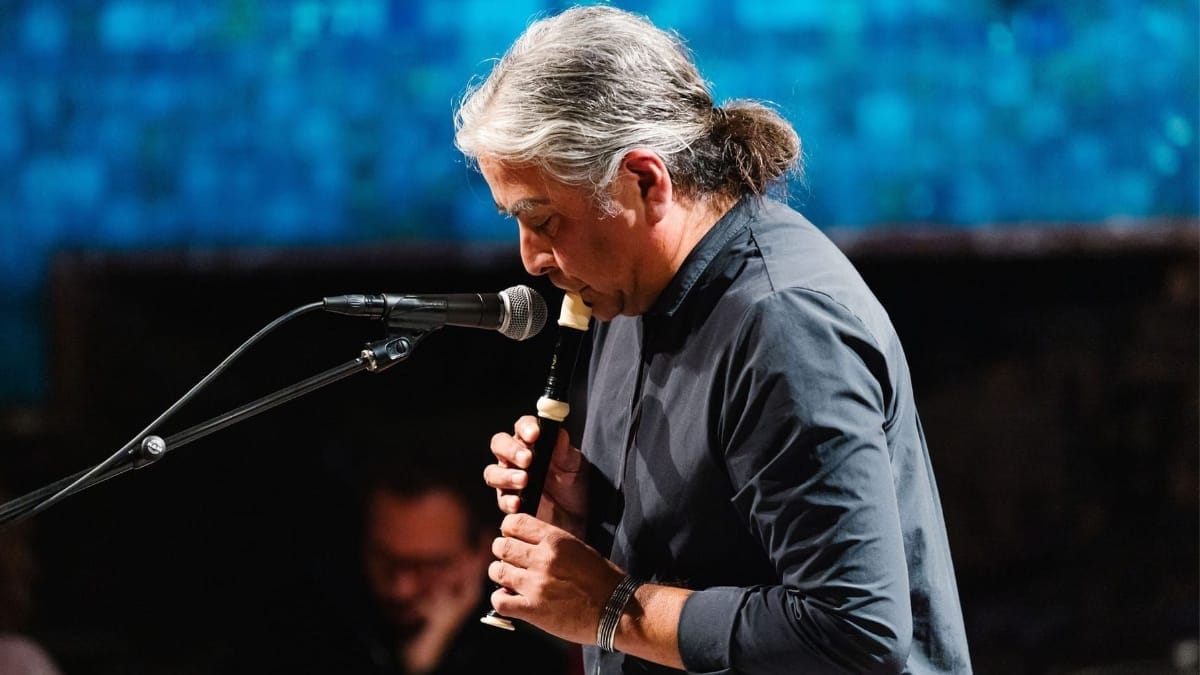
The former Navajo Nation president running for Congress in Arizona speaks to Hyperallergic about his upbringing, how Diné culture shapes his political thinking, and the importance of historical memory. | Valentina Di Liscia
Read More
Features
13 Art Films to See at DOC NYC
Documentaries on a giant pencil that became a local watering hole, the afterlife of Frida Kahlo through her image, and collagist Romare Bearden are among the festival’s most enticing offerings. | Anna Lee
Read More
