


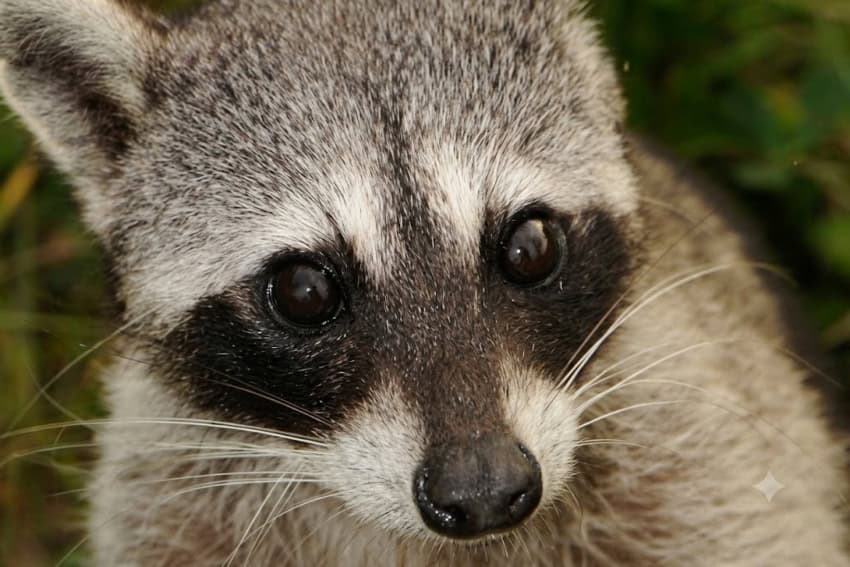
If you vacation on Cozumel, you might be lucky enough to see one of the island’s most charming inhabitants, Procyon pygmaeus, or the Cozumel raccoon. It is not unknown for them to hang around picnic sites looking for food handouts, but tourists throwing these bold little animals scraps of food — and tortilla chips seem to be a favorite — probably don’t realize they are feeding one of the most endangered mammals in the world.
Procyon pygmaeus is classified as one of only three species of raccoon on the planet. Here, we should take a moment to explain the difference between a species and a subspecies. A subspecies of any animal is an isolated population that has been separated long enough to display some unique differences. A subspecies might, for example, have grown longer fur for a colder environment or adapted its diet to exploit local availability.
However, should this population be reunited with the “mother” population, they will be capable of breeding and presumably, given a few generations, any differences will have merged back into a single population. A species is a population of animals that has grown so different in appearance and behavior that they can no longer successfully interbreed with other branches of the family.
A species apart due to insular dwarfism
The distinction is not always clear and might be subject to scientific debate. However, in the case of the raccoon, scientists generally agree there are 22 subspecies of the common raccoon in the world, but only three distinct species. These are the common raccoon (Procyon lotor), which is found all across North and Central America; the crab-eating raccoon (Procyon cancrivorus), which is native to Central and South America; and the Cozumel raccoon (Procyon pygmaeus), which is found only on Cozumel.
As is often the case with a population of animals restricted to a relatively small island, insular dwarfism has taken place, and the raccoons on Cozumel are about 18% shorter and 45% lighter than the common raccoons found on the mainland. As a result, they are often referred to as the pygmy raccoon or the dwarf raccoon. It was the American zoologist C. Hart Merriam, back in 1901, who first identified Procyon pygmaeus as a separate species, and this view has generally been accepted ever since. In addition to its reduced size, the Cozumel population has a broad black throat band, a golden yellow tail and reduced teeth. The species/subspecies debate now rests on firmer evidence than simple observation, and a study of raccoon molecular data (mtDNA) by Katherine W. McFadden in 2008 has secured the acceptance of the Cozumel population as a distinct species.
The history of the species
How long does it take for a new species to emerge? Cozumel separated from the mainland during the late Pleistocene, so Procyon pygmaeus is unlikely to have been isolated for more than 122,000 years. The latest research, using data from molecular clock studies, suggests that the divergence from the common raccoon population is more recent, dating somewhere between 26,000 and 69,000 years ago.
In addition to their physical appearance, life on an island has changed the animals’ lifestyle, and they have adapted to a coastal and mangrove environment where crabs make up between 44% and 50% of their diet. This is seasonal, and while crabs are abundant during the wet season, at other times the raccoons’ diet might include more insects and seasonal fruits. They are largely nocturnal, becoming active just after sunset, and females give birth primarily between November and January, possibly with a second litter during the summer months.

Habitat loss and ecosystem damage
Sadly, the mangrove forests and coastal areas on the west side of the island, where the raccoons once thrived, have been a favorite location for new hotels and resorts, causing a considerable loss of wilderness. As their habitat has shrunk, the Cozumel raccoon has become one of the most endangered animals on the planet. The best estimate — and it has to be an estimate because the last major, official and academic count was conducted in 2008 — is that the population is probably down to fewer than 200 adult animals.
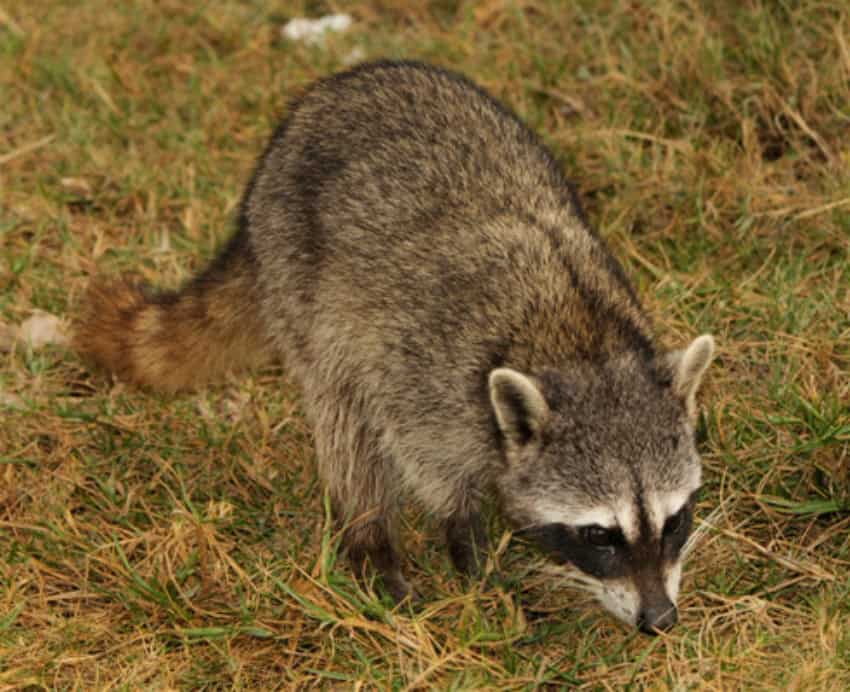
The population is not only low, but as the island develops, it has become increasingly fragmented. Generally, the raccoons are most numerous in the south, survive in small numbers in the north (which is where tourists are most likely to see them) and have disappeared from much of the center of the island. After the 2008 survey, the IUCN Red List classified Procyon pygmaeus as “critically endangered,” a status that remains its official designation today.
While the loss of habitat is at the heart of the raccoon’s decline, there are other concerns. Roadkills take several animals each year, and this is likely to increase as the island’s road system is both extended and widened. Cozumel is also regularly struck by hurricanes, which are likely to become more violent and more frequent as the climate changes. Raccoons, particularly young and inexperienced animals, are known to be killed during storms, while those that survive might emerge to find their coastal habitat devastated. It is documented that after Hurricane Gilbert in 1988, much of the small population of raccoons on Passion Island disappeared.
Predators and existential threats
The biggest threat on the immediate horizon might prove to be the increase in the number of feral and domestic cats and dogs. Such animals might both hunt the raccoon and transmit diseases to them. While dogs have been on the island for a while, domestic and semi-wild cats are a relatively new danger, and their impact is uncertain. Boa constrictors, believed to have been released by a film crew in 1971, also thrived on the island, and the raccoons are a perfect size for them to prey on.
One factor in the animals’ favor is that, like their mainland cousins, they are clever and adaptable. While the raccoons have adapted to a life of hunting crabs in the mangroves, they have also been seen in the semi-evergreen forests and agricultural lands surrounding these preferred habitats. There is no captive breeding program at the moment, but such a step might be taken in the future. While taking animals out of a small wild population carries risks, Mexico does have a record of success with captive breeding of wolves and the tiny volcano rabbits. For now, education plays a vital role in the raccoon’s conservation, ensuring that both residents and tourists are aware of the raccoons’ special status and how to care for them. That might start by resisting the temptation to feed them those tasty but unhealthy tortilla chips.
Bob Pateman lived in Mexico for six years. He is a librarian and teacher with a Master’s Degree in History.
