


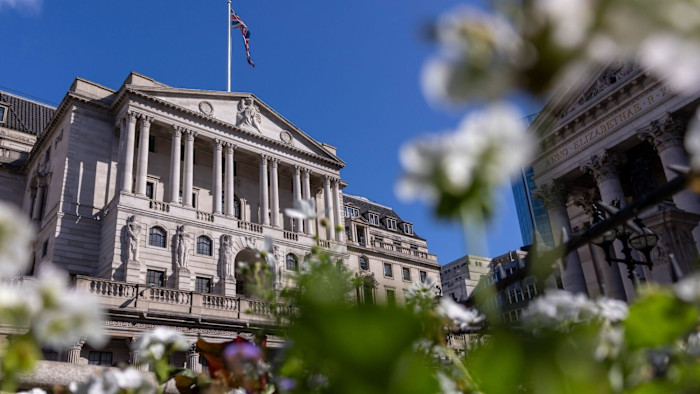
The Bank of England will announce its latest decision on interest rates at midday on Thursday against a backdrop of renewed volatility in energy prices following the flare-up in the US-Iran conflict.
So far, there is little sign of the energy shock fuelling broader price pressures in the economy. With inflation running below the BoE’s previous forecasts, analysts think the bank’s Monetary Policy Committee will feel able to hold interest rates at 3.75 per cent.
But they say it will also want to “talk tough” and reinforce market expectations that it will be ready to raise rates later in the year if the squeeze on energy supplies intensifies.
That would be in keeping with the hawkish tone of decisions to hold rates from the US Federal Reserve and European Central Bank in the past week.
This policy of “standing pat and talking tough” has served the BoE well at recent meetings, argues Rob Wood, chief UK economist at the consultancy Pantheon Macroeconomics.
That will be all the more important following the market reaction to Wednesday’s decision by the US Federal Reserve, with Fed chair Kevin Warsh arguing that a rise in bond yields since its last meeting had in effect already tightened policy.
Three of the 12 voters on the central bank’s policy-setting panel dissented, calling for a rate rise. US borrowing costs hit their highest level since 2007 after the decision, reflecting worries among investors that the energy shock could prompt a lasting bout of inflation.
