


Aston Villa’s loan players returned to Bodymoor Heath on June 26 for pre-season.
With sessions led by emerging talent development manager Tony Carss, they forged a training group of more than two dozen. The idea of returning before the senior team, who start again next week, was to align their schedule with EFL clubs, most of which are back training.
Many of the players who spent a period away from Villa last season are available to leave permanently.
Multiple sources, speaking on the condition of anonymity to protect relationships, say Villa are increasingly receptive to the idea of selling those loan players and many of their academy talents. The incentive is to help generate bookable profit to guard against profit and sustainability rules (PSR).
Instead of sending players on loan and paying a percentage of their salary, Villa are seeking a flexible approach, looking to sell several of their young talents, under the condition of inserting certain mechanisms to retain a level of control.
This has been demonstrated in the sale of 22-year-old Sil Swinkels to Sheffield Wednesday. Villa made a profit on the £180,000 they paid for the Dutch defender from Vitesse Arnhem in 2020, yet the club’s negotiations included matching rights — whereby Villa are informed of future offers for a player and have the opportunity to equal it. This will be an option for other players’ exits or, similarly, implementing buy-back clauses.
One instance which provided vindication to this was what transpired with Jaden Philogene in 2024. Villa sold the winger a summer earlier to Hull City for £5million and inserted a buy-back clause and matching rights in the deal.
Philogene scored 12 goals in 32 games for Hull as they finished seventh in the Championship. Newly-promoted Ipswich Town wanted to sign him and pressed ahead with an £18m transfer.
Villa sources said they could not risk the embarrassment of seeing Philogene flourish in the Premier League, so they matched the offer, with the total fee being discounted by 30 per cent, given the sell-on clause they had installed initially — the resulting figure worked out at £12.6m. Within a week of Ipswich’s bid, Philogene had rejoined Villa on a five-year contract.
Jaden Philogene is an interesting example of how Villa are looking to use their academy players (Justin Setterfield/Getty Images)
After failing to impress Unai Emery in the first six months back, all parties were amenable to an exit, with Ipswich once more back on the table. Villa agreed a fee worth £20m plus £3m in add-ons to sell Philogene, underlining in that scenario that they could control a player’s future, either by bringing him back or making a bold profit later down the line. In Philogene’s example, they did both.
Perhaps the most high-profile case of Villa’s present thinking is Real Madrid’s agreement with Como for Nico Paz.
Paz came through Madrid’s academy but left for Italy in 2024. Madrid inserted a buy-back clause that could be activated over the next three seasons and, so far, have decided that it would be beneficial to his development if the midfielder remained at Como to aid his progress.
While Paz boasts a higher ceiling and Madrid are far more intent on retaining a watchful eye, Villa have seemingly taken a leaf out of their book.

Nico Paz is a situation Villa have followed (Piero Cruciatti/AFP via Getty Images)
According to several sources involved in the situation, Villa are actively intending to sell young players they would previously have been content to loan out.
The aim is that selling academy talents will ensure Villa stay on the right side of financial fair play rules.
They will generate funds for players who are classed above youth level, including Louie Barry, Lewis Dobbin — who has Championship clubs willing to pay a good figure — and, if possible, Samuel Iling-Junior, yet, below that, there are only two players Villa are insistent on keeping permanently: midfielder George Hemmings, 19, and winger Bradley Burrowes, 18. Hemmings has received loan interest from more than two Championship clubs.
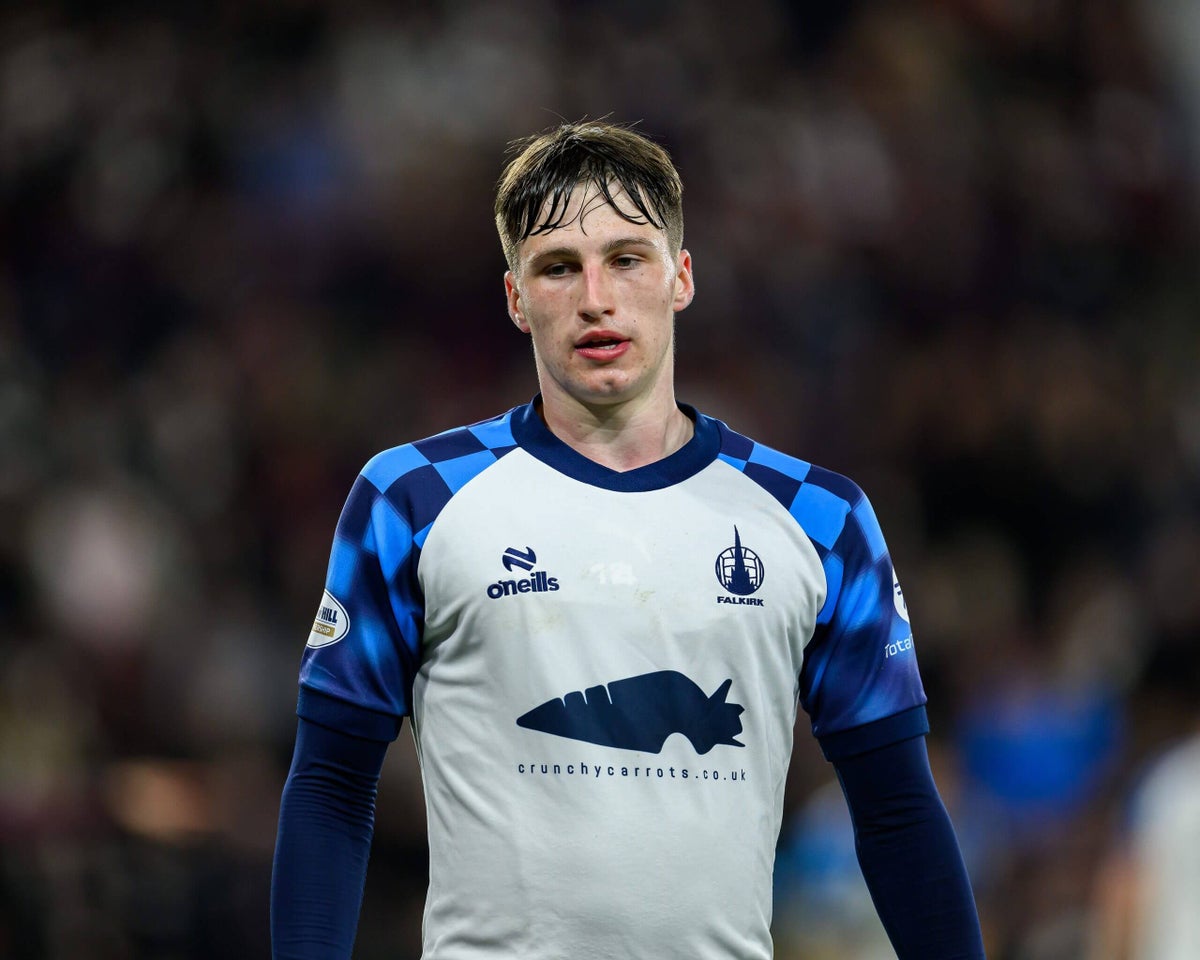
As for the rest, even other highly-rated talents such as Ben Broggio, 19, Josh Feeney, 21, Oliwier Zych, 22, and Jamaldeen Jimoh-Aloba, 19, are potential departures, although the hope is that they can prove their worth to Emery during pre-season. All four spent time away from Birmingham last season, with Broggio impressing at Falkirk. Feeney has had two loans at Shrewsbury Town and Huddersfield Town and is now attracting permanent European suitors.
Ideally, a loan would be the next step for Broggio and full-back Triston Rowe, 19, but a permanent sale cannot be ruled out.
Three youth players are joining one of Villa’s sister clubs, FC Annecy. Zepiqueno Redmond, Mohamed Kone and Kadan Young have travelled to France to begin pre-season with the Ligue 2 side.
As for Villa’s other sister side, Real Union, who are also part of the ownership’s V Sports network, they are expected to receive young players. Villa and Emery, a majority stakeholder, are keen to recruit a higher calibre of player to the team, with Rory Wilson and Aidan Borland discussed.
The difficulty Villa have in selling some of their academy stock permanently centres on their current salaries. For relatively unproven players at senior level, their contracts are at a level EFL clubs are unable to match. Sporting director Roberto Olabe has wanted to reduce the salary outlay given to young players, knowing money is limited and high wages stifle moving them on.
Alterations and payment plans have to be fluid, as highlighted by Barry being in advanced talks to join Sheffield Wednesday, which contains a low upfront fee.
Wilson, for example, is the highest earner in the academy, so it is hard for him to leave Villa permanently. Instead, a loan, either to Real Union or elsewhere in Europe, is probable.
Villa have displayed a creativity in previous summers to navigate financial regulations, and will have to do the same here. Becoming amenable to some of their best young talents leaving is one remedy.
