


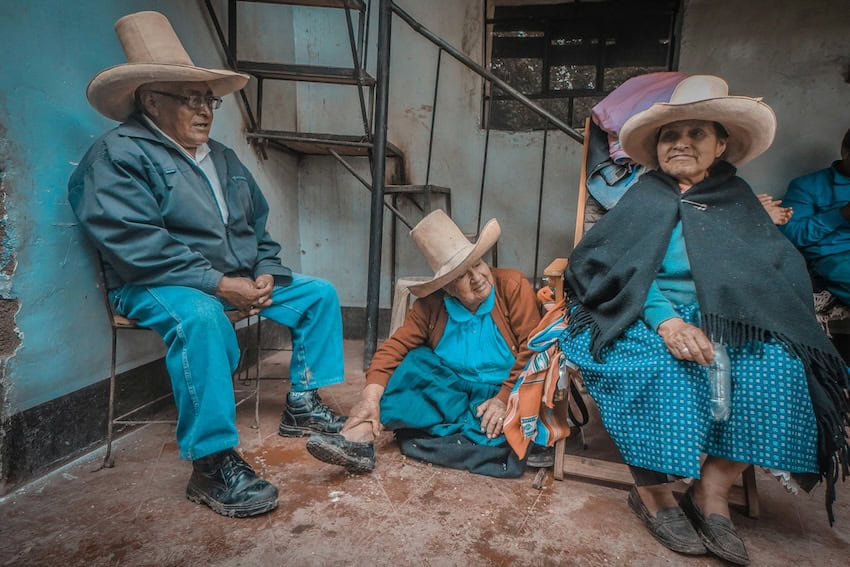
If we’re lucky enough, we all get old. Your age, actually, is literally the last thing you can control about yourself.
And while it’s popular to make grand generalizations about arbitrarily-drawn generations, to me it seems like a waste of time — even as a sociologist. Yes, the times you’ve lived through contribute to who you become, and certainly to the opportunities you have (or don’t). But humans are humans, and we’re all a lot more alike than different.
Plus, if you limit yourself to friendships only within your age cohort, well, you’re really missing out on some great friendships.
Mexico’s shifting population demographics
According to a recent article stating that by 2034, there will be more people over 60 than under 12 in Mexico, it seems we’re all going to have more chances at “intergenerational” friendships. As people live longer and women have fewer children, the balance is tipping toward the end of the line, rather than the front. More on that shortly.
I’ve personally been thinking about aging a lot as I stand, at 44, on one of the last and increasingly low shaky peaks of my youth: the end is now clearly in sight. It’s not just about the humiliations of a sagging jawline or weight that is suddenly impossible to get off without extreme measures. For once, I’m genuinely worried about my overall health. How can I possibly be prepared?
At this point, I’ve also watched both my parents suffer earlier than they should have. My mother had health problems all her life and died in 2018 at 64. My dad is in a nursing home with dementia at the tender age of 71.
While I have plenty of friends who are perfectly healthy now at the age my mother would be today, both my parents’ experiences give me pause: what awaits me? So I go to the gym, I see a nutritionist and I buy fancy face creams. I’m going to the dentist even though it scares me a lot (all it takes is one bad experience, apparently).

The younger generations that we’re counting on
Still, it’s a crapshoot. And all these “interventions” that I’m betting on to give myself better odds depend, in great part, on others. Specifically, increasingly younger people who will be in the prime of their careers while I’m getting older.
Often, when reports about an aging population come out, it’s with a little bit of panic. “What if there aren’t enough people to keep the lights on?” This often leads especially conservative pundits to turn their heads toward women of reproductive age. “Only 1.6 children per woman? What’s their problem?”
These tend to devolve into arguments about how we’ve collectively let things “go too far” with birth control and such (just look at Project 2025). The right blames the left for giving women too much freedom and encouraging them to have careers. The left fires back that, to survive in this economy, you need two careers. And besides, giving birth is a life-threatening job. And then there’s the childcare for many, many years, and guess what you get paid for doing it? Au contraire, you pay to do it. Love from and for your children is a great reward, it’s true, but you can’t eat love or use it to pay rent. “Well, maybe if people took marriage seriously, then …”
And on and on it goes.
Mexico’s family-first culture, and how it helps
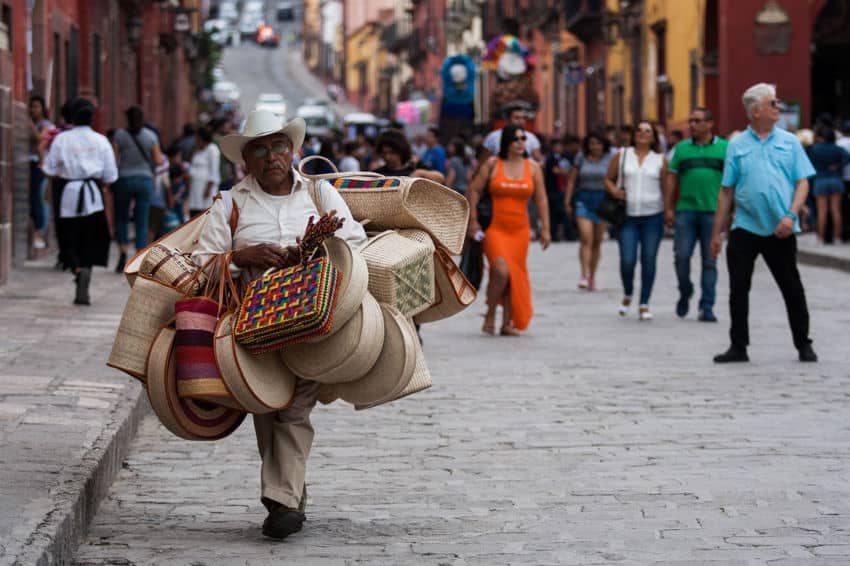
Here in Mexico, people thankfully seem less panicked about the prospect. Part of this, I believe, is because the stereotype is at least partly true: Mexicans really are all about the family. I don’t know if it will stay this way — modernity is bulldozing us down here like it is in the rest of the world — but I hope it at least mostly does.
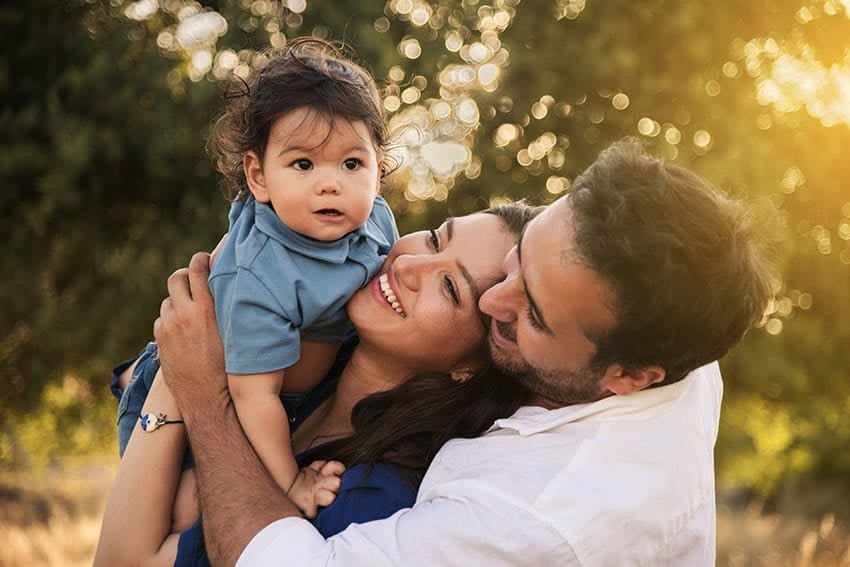
Part of what gives me hope is that families often seem to truly be friends with one another. They talk, they see each other, and importantly, they party together (it’s hard to find a prudish Mexican when it comes to parties). They also tend to be there for each other in important ways: not just emotionally and physically, but often financially. Whether it’s a wedding or a funeral, family members chip in.
Still, the shifting demographics of the country are going to be a real adjustment. In large part, this is simply because of the structure of the economy. Though I know I’ll get called a communist by the usual suspects, I’ll say it again: capitalism is simply not conducive to the way most of us want to live.
We want (and deserve) free time, sure. But we also need quite a lot of time when we’re not at our “official jobs” if we want to do things like take care of kids, take care of aging parents, cook, clean, take out the trash and receive deliveries in the middle of the day. The list goes on. And those activities combined usually take up more than a typical work week does. So what happens when we all need to be working outside of the home? And what happens when many of us can’t anymore?
And that’s the issue: we want people to have time with their families. But we also need places like hospitals to be fully staffed. How do we balance these two things, especially as more people become too old to work and fewer people “age into” their working lives at the same time?
Does Mexico have enough communal housing with nursing staff available? Does it have enough accessible healthcare? If the answer is no, then now is the time to start planning and getting creative.
I believe that government support will become more and more necessary as we move ahead. The pension that senior citizens already get is, while small, a big contribution for some families — the kind that lets the older members comfortably stay in the home for longer without adding financial stress. A rising minimum wage and a planned reduction of the work week should help alleviate at least some of that “second shift” pressure as well.
Beyond this, I don’t have a major solution to offer, other than to simply point out that we fare better collectively than we do individually. The institution of the Mexican family needs to be supported and protected. We need to keep our ties strong and celebrate them. We need to resist falling into the bottomless well of our phones, lest we isolate ourselves by accident.
And for those of us without much family here, perhaps an expanding definition of what family means (and who counts) needs to be a part of that planning and conversation. For now, I’m just trying to do what I can to stay healthy and forge friendships with people of all ages. In the end, we’re going to count on each other.
Sarah DeVries is a writer and translator based in Xalapa, Veracruz. She can be reached through her website, sarahedevries.substack.com.
