


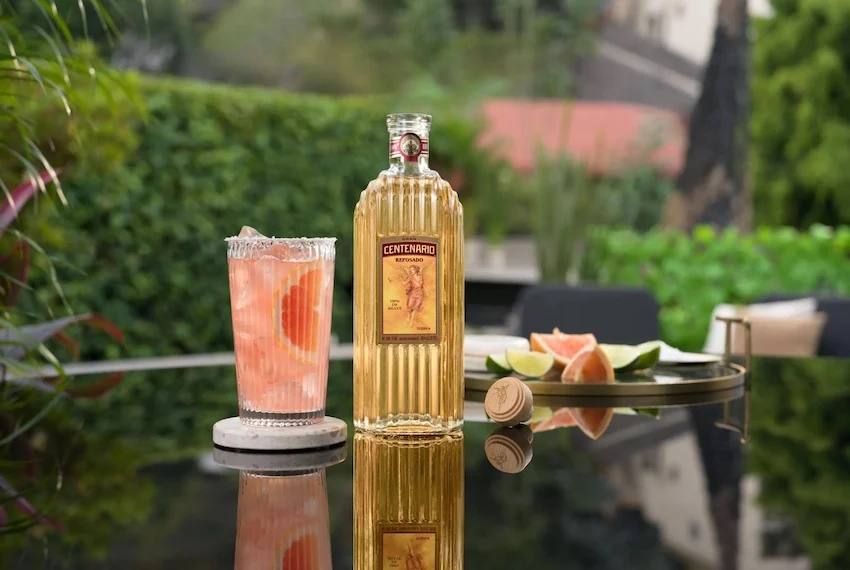
The Federal Commission for the Protection against Sanitary Risks (Cofepris) issued a warning on Monday due to the “falsification and adulteration” of bottles of Gran Centenario Anejo (aged) tequila.
The warning comes after bottles of adulterated tequila branded as Gran Centenario were linked to the deaths of five people who attended a recent 15th birthday party in Salamanca, Guanajuato. Twenty-eight other people fell ill after consuming tequila at the party, according to the newspaper Milenio, which called the phony Gran Centenario the “tequila of death.”
The adulterated tequila was reportedly purchased at the Central de Abastos market in León, Guanajuato. Authorities in Guanajuato are investigating the five fatalities in Salamanca as well as the death of a man in Irapuato who is also believed to have consumed adulterated tequila.
In its “health alert,” Cofepris warned consumers about the “falsification and adulteration” of Gran Centenario Anejo “tequila reposado” (rested or lightly aged tequila). The warning applies to 950 ml bottles with the batch number L 061 24.
Cofepris said that the issuance of its warning followed “actions of sanitary control” and the identification by Casa Cuervo, the owner of the Gran Centenario brand, of “product irregularities.”
“The counterfeit and adulterated product was sold through online sales platforms and does not comply with the specifications set forth in [regulation] ‘NOM-142-SSA/SCFI-2014. Alcoholic Beverages: Health Specifications, Health and Commercial Labeling.’ As a result, it poses a risk to public health, since the raw materials used are unknown, as are the conditions under which it was produced, bottled, stored and distributed,” Cofepris said.
The commission said “it should be noted that this alert applies only to the GRAN CENTENARIO AÑEJO brand reposado tequila with batch number L 061 24 and a net content of 950 mL, with the following irregularities:
- The front label lacks embossing.
- The cap is loose.”
Cofepris warned consumers not to purchase bottles of tequila branded as Gran Centenario with the batch number L 061 24 and the “irregularities identified in this alert.” If anyone has information about the “possible commercialization” of the phony tequila they should file a “sanitary report,” Cofepris said.
What to do before purchasing a bottle of alcohol
Before buying “any alcoholic beverage,” consumers should carry out a “physical inspection of the product,” Cofepris said in its alert.
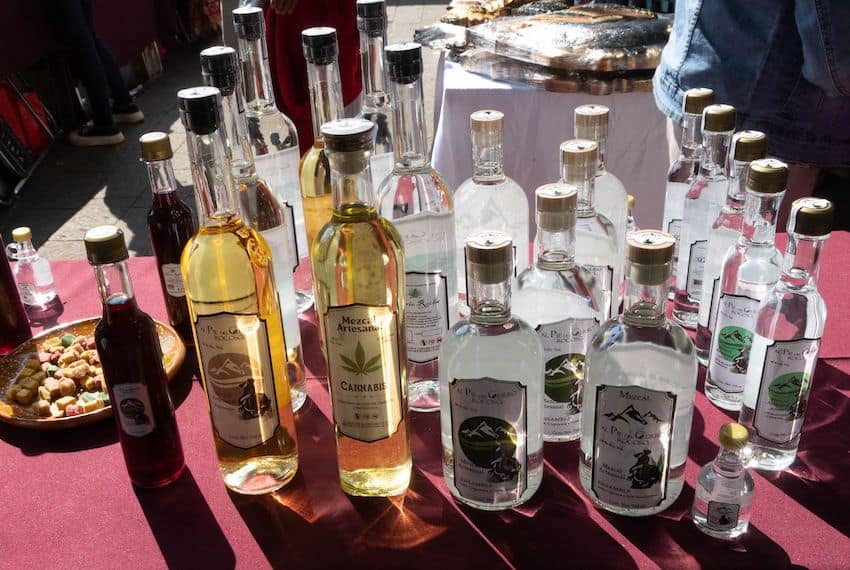
According to the health regulator, bottles of alcoholic beverages sold in Mexico must have:
- A label with “good print quality” that is free of spelling mistakes and not “poorly stuck” to the bottle.
- An SAT federal tax administration label and QR code on the neck of the bottle or on the brand’s label.
- Seals and stamps “without alterations, tears or excess glue.”
- Caps that don’t easily move when turned or that allow the content of the bottle to leak.
Cofepris also said that bottles of alcohol shouldn’t have any indentations or scratches. In addition, it said that the label of an alcoholic beverage must include the name of the product, the country of origin, the percentage of alcohol, the batch number, the name and address of the producer, bottler or importer and a message warning of health risks associated with the abuse of alcohol.
With reports from La Silla Rota and Milenio
