


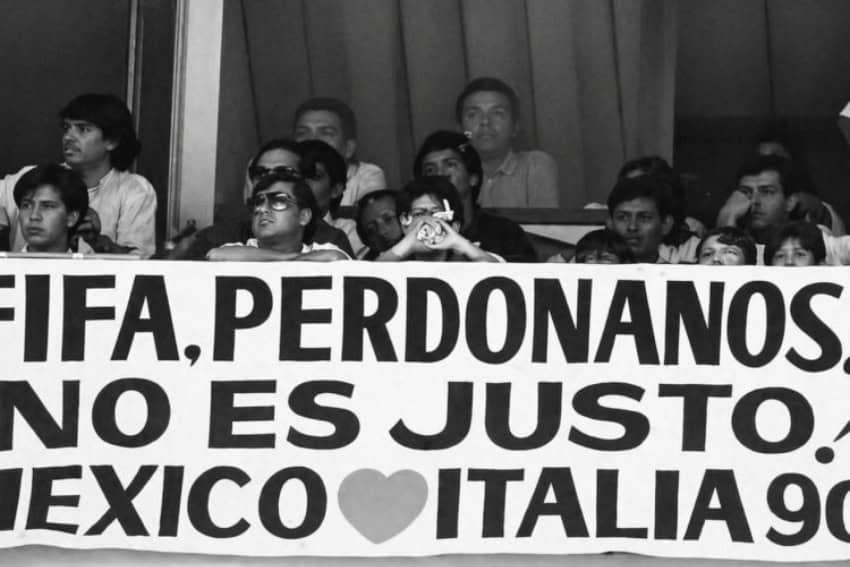
Mexican soccer has endured enough heartbreaking defeats, controversial refereeing decisions and penalty shootout misery to fill several lifetimes. Yet the most painful World Cup absence in the nation’s modern history didn’t come at the hands of a rival on the field.
Mexico missed the 1990 World Cup because of something far more damaging: its own actions.
Records falsified to make players appear younger than they actually were
The episode in Mexican sports history is remembered simply as Los Cachirules, which, in Mexican sporting slang, refers to players who aren’t quite who they claim to be. It remains one of the darkest chapters in the history of Mexican football and a cautionary tale about arrogance, bureaucracy and the high price of trying to bend the rules.
To understand why the scandal still resonates nearly four decades later, it helps to remember where Mexico stood in the late 1980s.
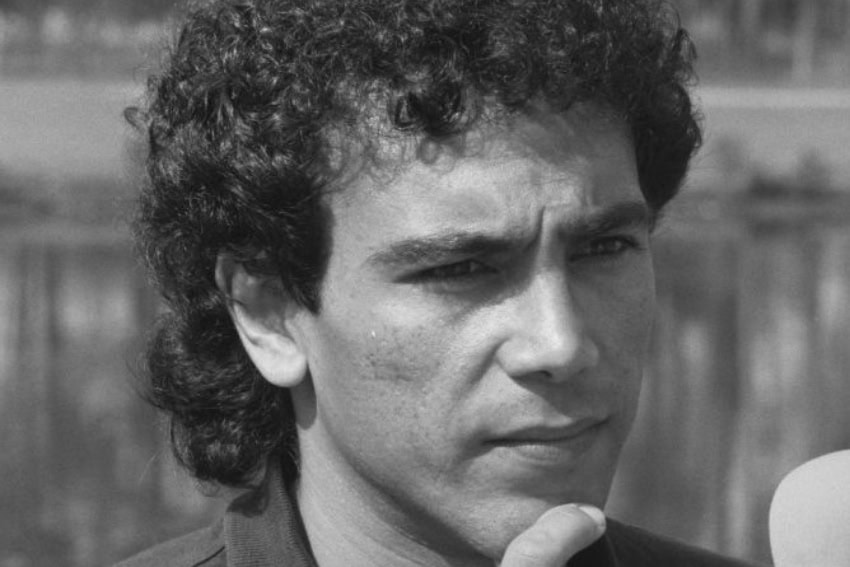
El Tri had just hosted the 1986 World Cup and reached the quarterfinals, producing one of the most memorable campaigns in the nation’s history. The national team appeared to be entering a golden era, and players like Hugo Sánchez were among the most respected footballers in the world. Optimism about the future ran high.
Then came a youth tournament that few people outside hardcore football circles were paying much attention to.
In 1988, Mexico participated in the CONCACAF Under-20 Championship, which served as qualification for the FIFA World Youth Championship. The competition had strict age limits. Players were required to meet eligibility requirements designed to ensure the tournament remained a genuine youth competition.
Instead, Mexican officials knowingly fielded several players who were over the age limit. Among those later identified were José Luis Mata, José de la Fuente, Gerardo Jiménez and Aurelio Rivera. Birth records had allegedly been altered to make the players appear younger than they actually were.
What makes the story particularly remarkable is how the deception was uncovered.
Mexican journalists uncover the scandal
The scandal wasn’t exposed by FIFA investigators or rival federations. It was revealed by Mexican journalists. Reporters examining official federation records noticed discrepancies between published player information and the ages listed for the squad.
So what began as routine reporting quickly evolved into a national sports scandal.
Initially, some Mexican soccer officials appeared to believe the issue could be contained. They badly misjudged the situation. CONCACAF launched an investigation and determined that Mexico had indeed violated tournament regulations. The youth team was stripped of its achievements and removed from the competition pathway.
That alone would have been embarrassing enough, but FIFA was far from finished. The soccer world’s governing body decided that the offense reflected broader institutional responsibility rather than a simple mistake by a youth squad. And so, in April 1988, FIFA imposed a sweeping punishment: Every Mexican national team, regardless of age level or gender, was suspended from international competition for two years.
The ban lasted until July 1990, and the consequences were enormous.
The consequences
Most significantly, Mexico was barred from participating in the qualification for the 1990 World Cup in Italy. There would be no dramatic qualification campaign, no chance for redemption and no opportunity for one of the strongest generations of Mexican players to compete on football’s biggest stage.
The tournament came and went without El Tri.
For supporters, the punishment felt particularly cruel because the senior national team itself had committed no wrongdoing. Yet FIFA’s message was clear. Federations, not just players, are responsible for maintaining integrity.
Many Mexican fans still debate whether the punishment was excessive. Some argue that a youth-level violation shouldn’t have cost an entire nation a World Cup appearance. Others counter that deliberate age fraud strikes at the heart of competitive fairness and demands a strong response.
What’s beyond dispute, however, is the lasting impact: The ban denied a generation of Mexican footballers a unique opportunity. Sánchez was in the prime years of a remarkable European career. Other talented players who might have left a mark on the global stage never got the chance.
What might have been
To this day, Mexican supporters speculate about what might have happened had that squad reached Italy. Some believe it could have been one of the country’s strongest World Cup teams ever.
The scandal also transformed the way Mexican football was administered.
In the years that followed, greater attention was paid to governance, player registration and international compliance. While Mexican football has hardly been free of controversy since then, few incidents have carried consequences as severe as Los Cachirules.
Interestingly, the affair has become almost mythical in Mexican football culture.
Mention Italy in 1990 to older fans, and the conversation often shifts from tactics and players to regret. The absence has become one of the great “what ifs” of the sport’s national story.
What if the federation had simply followed the rules? What if officials hadn’t believed they could get away with falsifying ages? What if one administrative decision hadn’t wiped out an entire World Cup cycle?
Those questions will forever remain unanswered.
How El Tri emerged stronger after the scandal
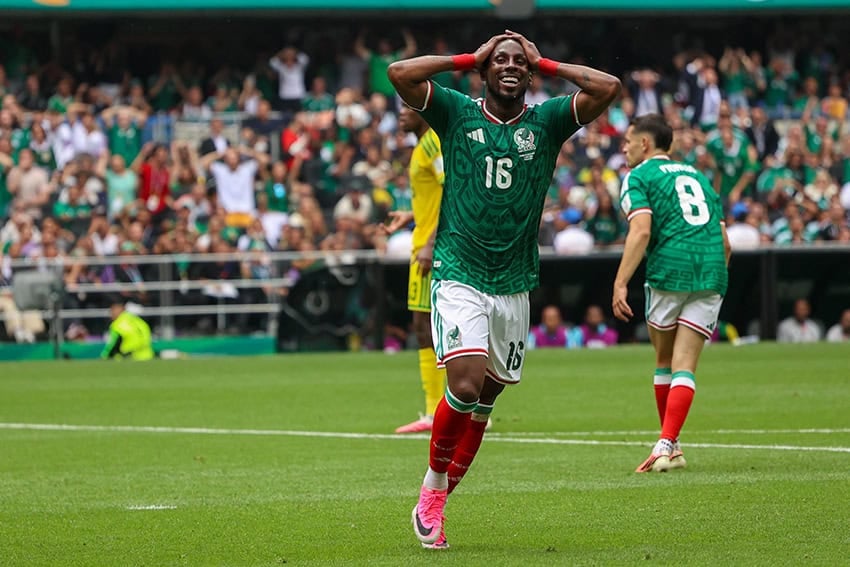
Today, younger supporters know Mexico as a nation that consistently qualifies for the World Cup. Since the end of the suspension, El Tri has returned to every tournament and established itself as a regular participant on football’s biggest stage.
Yet the shadow of Los Cachirules still lingers.
Not because Mexico lost a match. Not because a referee made a bad call. But perhaps because the most painful World Cup in the country’s history was one the team never got a chance to play.
In football, defeats are usually inflicted by opponents. The Cachirules scandal was different. It was an own goal of historic proportions, and one that continues to echo through Mexican football.
Charlotte Smith is a writer and journalist based in Mexico. Her work focuses on travel, politics, and community. You can follow along with her travel stories at www.salsaandserendipity.com.
