


Unlock the Editor’s Digest for free
Roula Khalaf, Editor of the FT, selects her favourite stories in this weekly newsletter.
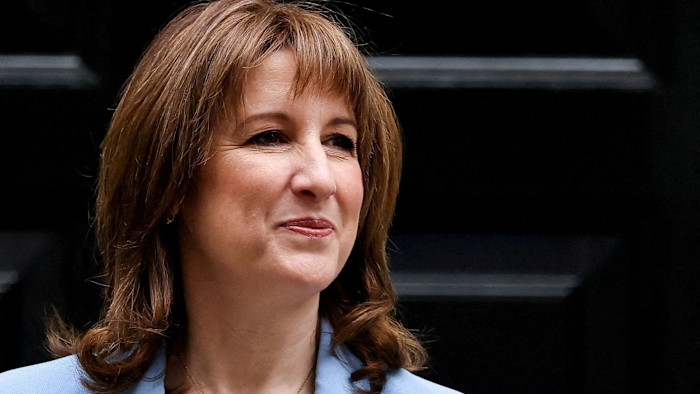
Rachel Reeves has said she wants the UK to avoid immediate tax increases to fund defence, warning cabinet colleagues must choose how to cut other departmental spending instead.
The chancellor was replying to criticism that she had stood in the way of a significant uplift in defence spending, after the defence secretary John Healey resigned in protest last week.
Asked at the FT Global Bond Summit whether she can make it to the Budget later in the year without needing to raise taxes, Reeves replied: “I very much hope so.”
Later on Tuesday Healey made a parting shot at the Chancellor in his House of Commons resignation speech, telling MPs: “Our adversaries don’t follow timetables set by the Treasury.”
He reiterated his call for Britain to commit to spending 3 per cent of GDP on defence by 2030, warning: “This is the age of hard power and rising threat, this is not the moment for calibration or incremental change. That means bigger politics, bolder priorities, harder choices.”
The head of the UK military, Air Chief Marshal Sir Richard Knighton, also warned: “The thing I am most concerned about is the level of day-to-day activity funding.”
The government’s proposal of £13.5bn in extra funding for the military over the next four years would mean cutting back on operations, he told the House of Lords international relations and defence committee.
Reeves had signalled last week that raising taxes was preferable to borrowing more. On Tuesday, she told delegates that extra spending for defence would have to come from other areas of government spending.
“In the end, this has got to be a decision by the whole cabinet to reduce spending elsewhere and redirect it into defence,” the chancellor said.
The UK gilts market has been hard hit by the inflation shock created by the conflict in the Middle East, reversing a rally since the November Budget.
Ten-year borrowing costs rose from just above 4.2 per cent at the end of February to 5.2 per cent at their high last month, as traders jettisoned expectations for Bank of England interest rate cuts and instead moved to expect rate increases to counter energy-driven inflation. Yields have since come back below 4.8 per cent on hopes for a US-Iran deal.
Weakness in gilts has been exacerbated by political worries, with a leadership challenge to Sir Keir Starmer raising the risk of a shift to the left that could lead to more borrowing in coming years.
The UK already spends more than £100bn a year servicing its debts and has the highest borrowing costs in the G7.
Reeves said on Tuesday that the government was striving to make the UK “less in hock” to bond markets and welcomed Labour leadership hopeful Andy Burnham’s restated commitment to the fiscal rules.
Reeves said that the government would strive to continue reducing its budget deficit “consistently during the course of this parliament, that will make us less reliant, less in hock if you will, to bond markets”.
“But at the moment, we very much do rely on the bond markets to finance government spending and to refinance the high levels of debt that we’ve got.”
She said the increased headroom that the last Budget had built against the UK’s borrowing limits had made public finances more resilient to the Iran war fallout.
