


News
The intervention is responding to the university’s recent $3 million investment in more than 500 new AI-integrated campus surveillance cameras.
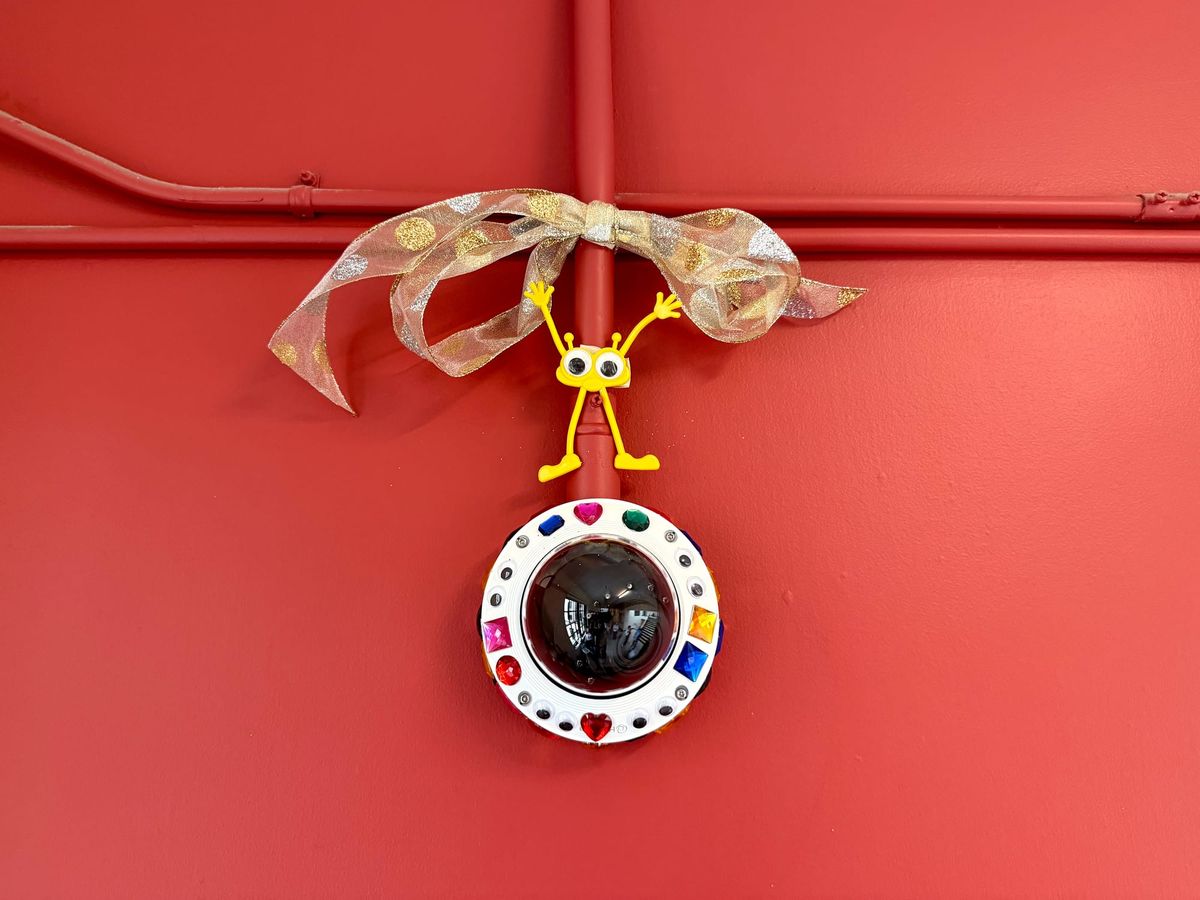
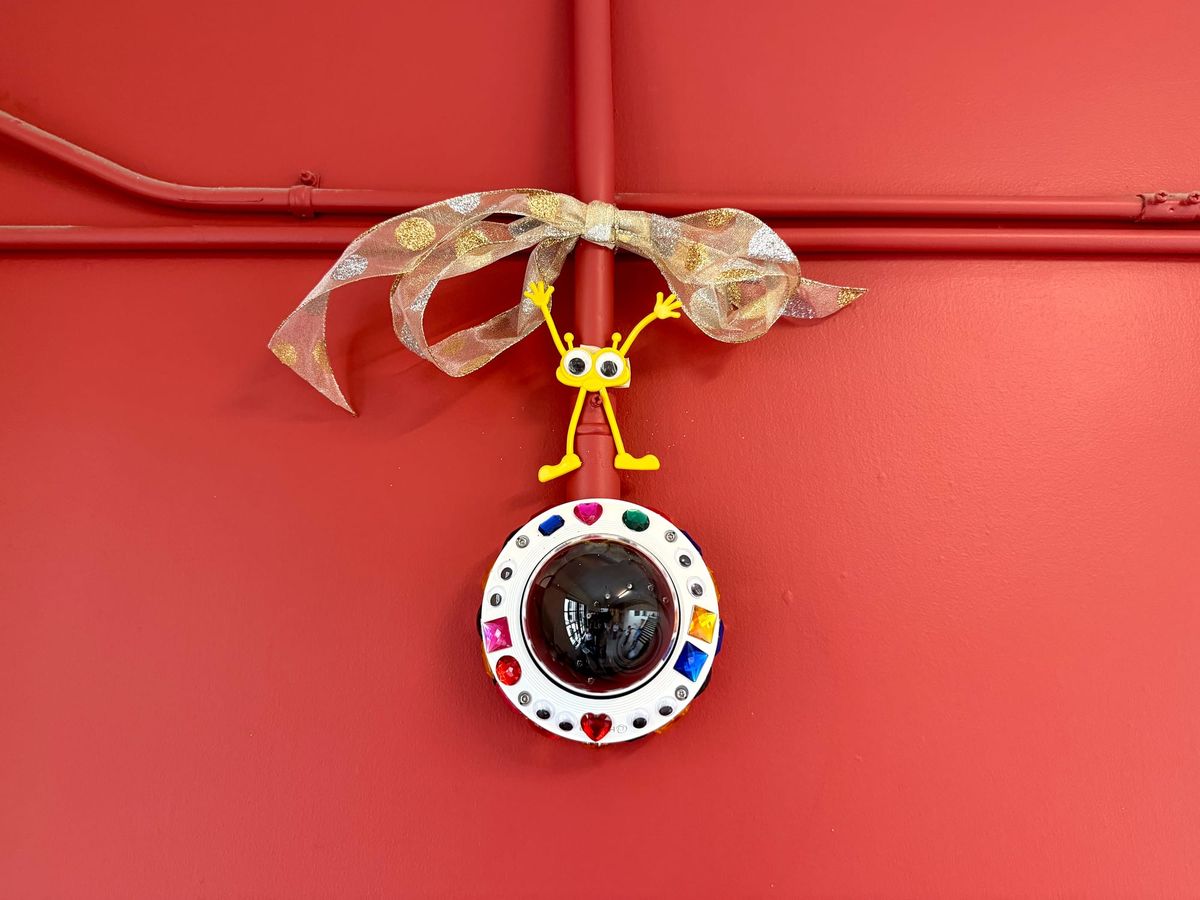
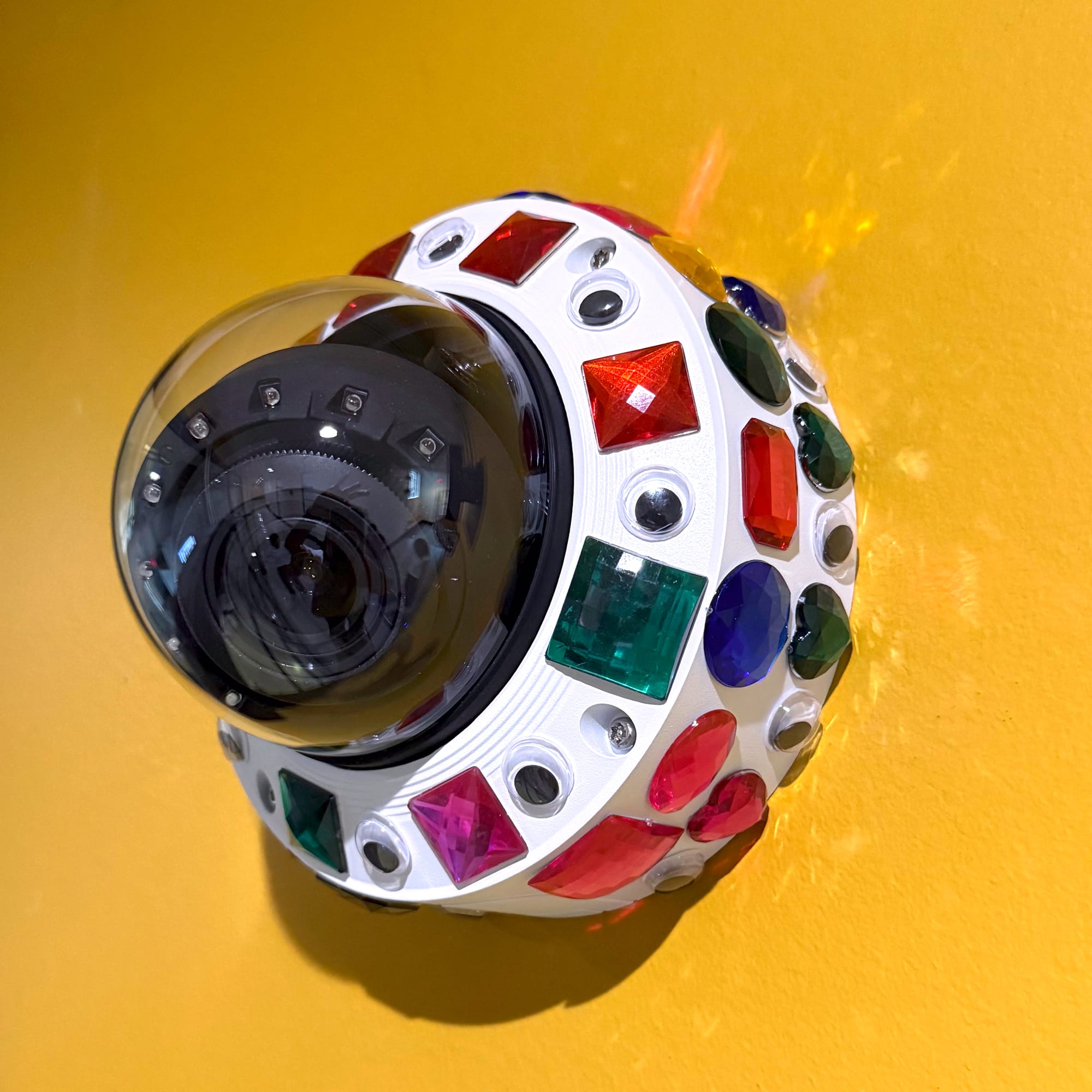
Tenured faculty members at the Massachusetts Institute of Technology (MIT) are decorating the university’s surveillance cameras with googly eyes, rhinestones, and glitzy decorations to protest its investment in what they call “Big Brother technology.”
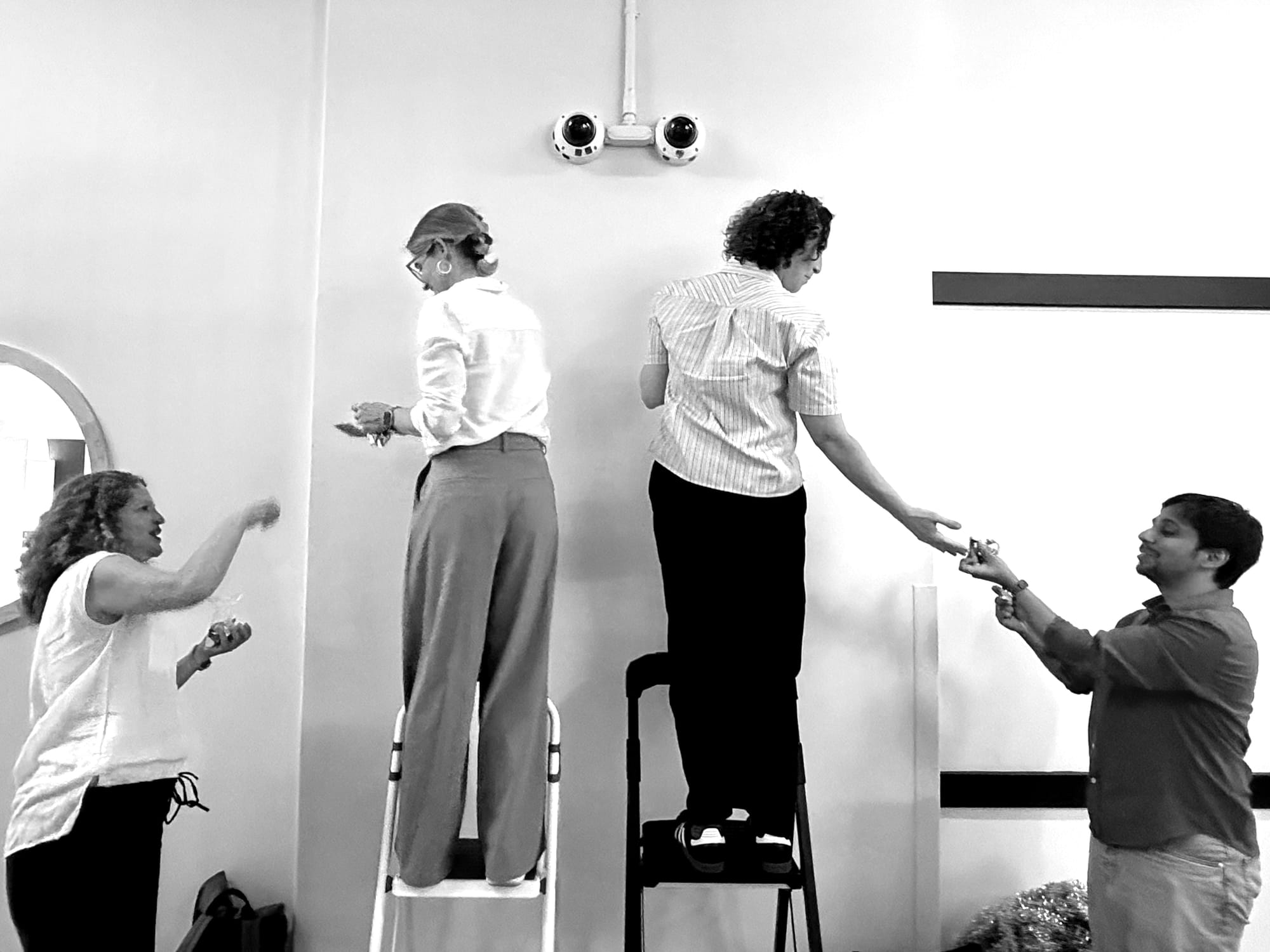
Faculty members Catherine D’Ignazio, Marah Gubar, Tanalís Padilla, Dwai Banerjee, and Karrie Karahalios began decorating the cameras in August, four months after the student newspaper, The Tech, reported that MIT would be spending over $3 million on more than 500 surveillance cameras from 2025 to 2026. According to the report, the cameras can be activated to identify faces and objects with AI, and are stationed in exterior locations and academic facilities, among other high-traffic areas around campus.
“We have these little buckets of gems and tinsel, and create these little Gumby-type creatures with googly eyes,” D’Ignazio told Hyperallergic in a phone interview. None of the adornments interfere with the camera function, but are intended to remind passersby that they are under surveillance.
In a faculty newsletter announcing the deliberately unwieldy project name, “The Initiative to Beautify the AI-capable Surveillance Benevolently Installed by our Administrator Overseers and the MIT Corporation In Collaboration with Big Brother Tech Companies,” the faculty members said that the campus had been transformed into an “AI-capable Panopticon.”
“Many of us would not feel safer with cameras on all around us, especially not ones with AI,” Gubar told Hyperallergic over the phone. While the university established a faculty advisory committee to determine whether the cameras should utilize AI technology, many eligible members were barred from participating, as first reported by local outlet Cambridge Day.
“They knew where we were coming from and what our viewpoint on the committee would be,” D’Ignazio added. “Our viewpoint isn’t just a matter of opinion. It’s grounded in scholarly expertise. I’ve worked on how data, surveillance, and technology particularly affects women and marginalized groups.”
An MIT spokesperson told Hyperallergic that the new cameras are “intended to close gaps in MIT’s existing security camera coverage.”
Faculty took inspiration from artist and MIT alumnus Jill Magid, who rhinestoned CCTV cameras at Amsterdam’s police headquarters in 2002.
“I wanted to question the visible and invisible parts of surveillance,” Magid told Hyperallergic. After Amsterdam police initially turned down the artist’s request to bedazzle the cameras, Magid created her own temporary fictitious company, System Azure Security Ornamentation, and successfully got herself a paid job. She advertised her business on silk screen posters that read “Big Brother in Drag,” and when the larger police system shut down her enterprise, she distributed flyers urging, “Bring Back the Glam.”
Faculty printed out several of Magid’s posters and distributed them to students, faculty, and staff, many of whom have joined in on the seven decoration sessions so far.
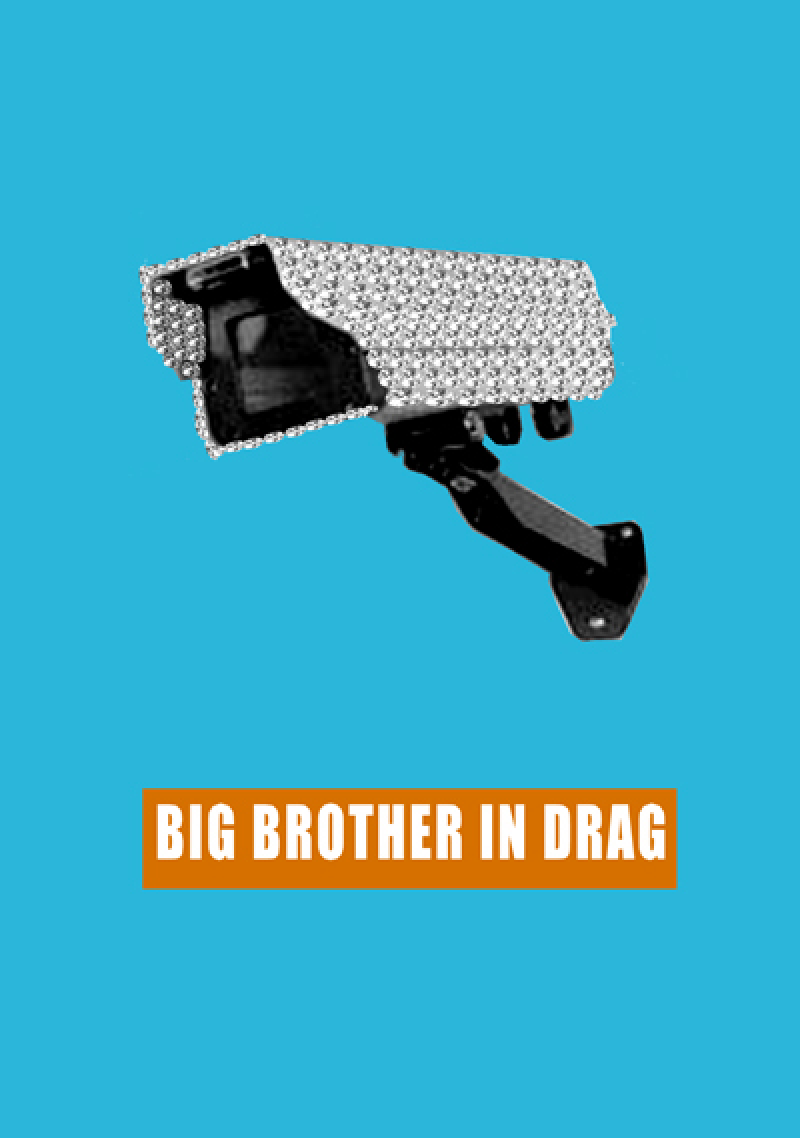
While MIT Police usually only intervene by removing the decorations after the sessions, Gubar allegedly had to give her name to a suspicious officer on one occasion.
“I wasn’t going to let a student or staff member give their name,” said Gubar, who clarified that her tenured status protects her from severe administrative pushback.
The professor has noticed that most other participants, especially students, are hesitant to speak out about the surveillance cameras or disclose their names for fear of retaliation, an anxiety confirmed by other universities’ tactics and actions. During the 2023-4 academic year, Columbia University’s surveillance cameras helped administrators identify and punish pro-Palestine student protesters. In May 2026, a pro-Palestine student filed a federal lawsuit against the University of Michigan for surveilling and harassing him over his advocacy.
“The goal should be for all of us to be able to protest against surveillance, whether that be students or staff,” Gubar added. “It shouldn’t just be a privilege for tenured faculty.”
