


Daily Newsletter
John Yau on the Whitney’s retrospective of the Pop titan, an interview on Indigenous perseverance with Congress hopeful Jonathan Nez, and art films to see at DOC NYC.
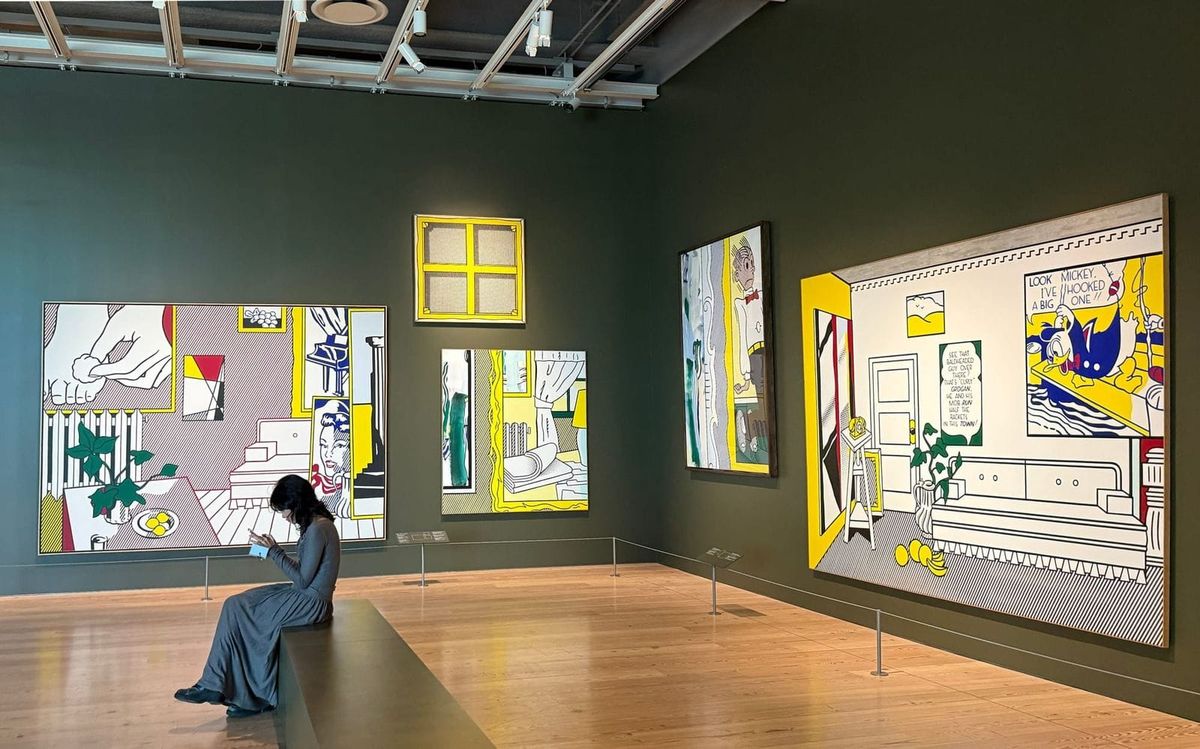
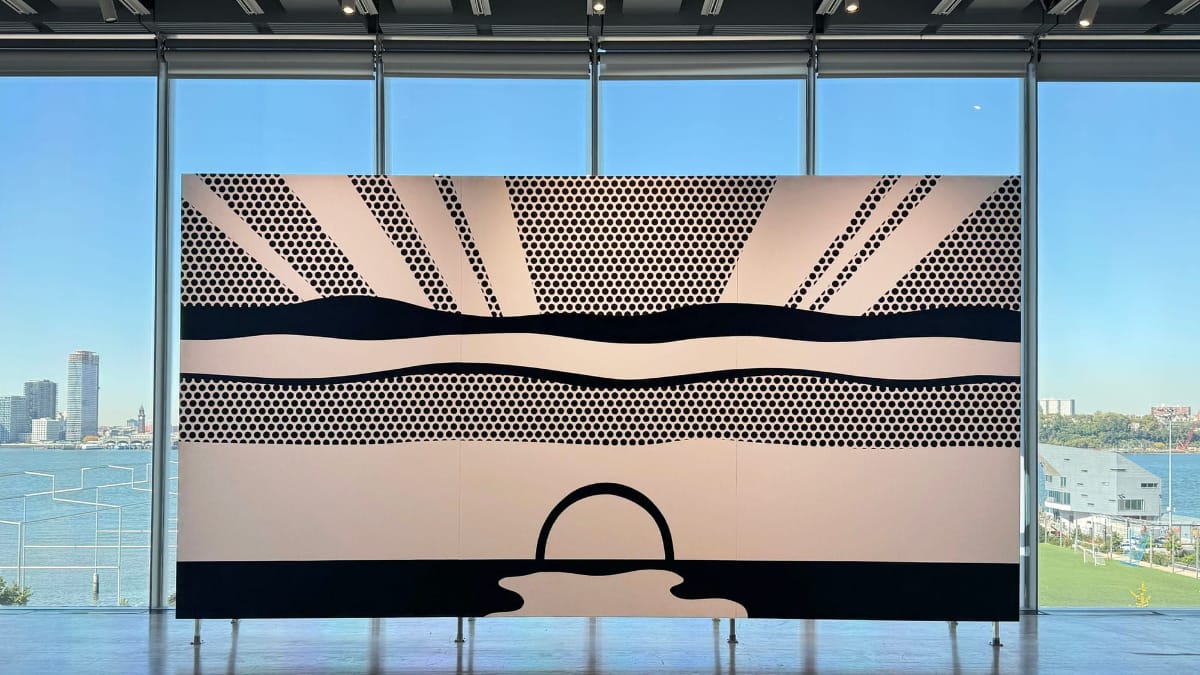
Roy Lichtenstein’s hand-painted Ben-Day dots, among his other cheeky twists on mass-produced gestures, were once “satirical and ironic commentaries on American consumerism,” reflects critic John Yau. But what can they do for us in 2026? That’s the inquiry at the heart of Yau’s review of the new Lichtenstein retrospective at the Whitney Museum of American Art, an exhibition that, he argues, fails to reckon with the Pop titan’s anachronism and stylistic limitations.
With just three weeks to go before the critical midterm elections in the United States, Congress hopeful Jonathan Nez, former president of the Navajo Nation, is hoping to turn a red district blue in Arizona. On the heels of Indigenous Peoples’ Day, I spoke to him about how his Diné upbringing influenced his political thinking and Trump’s threats to sacred Native sites.
Our conversation comes right as advocacy groups sue the federal government to protect Utah’s Nine Mile Canyon from oil tanker truck transit that could threaten ancient petroglyphs — Staff Writer Rhea Nayyar has that story.
—Valentina Di Liscia, senior editor

Jonathan Nez on Indigenous Perseverance
This November, Jonathan Nez could become the first Native American to represent Arizona in Congress. Nez, who served as president of the Navajo Nation from 2019 to 2023, is running to flip the state’s largest congressional district by area, a seat currently held by Republican Eli Crane. His “Warrior Up” platform is structured into four pillars, a tribute to the number’s significance to Diné people, for whom the world is bound by four sacred mountains, one in each cardinal direction. | Valentina Di Liscia
Read More
Columbia University MFA in Visual Arts + Sound Art
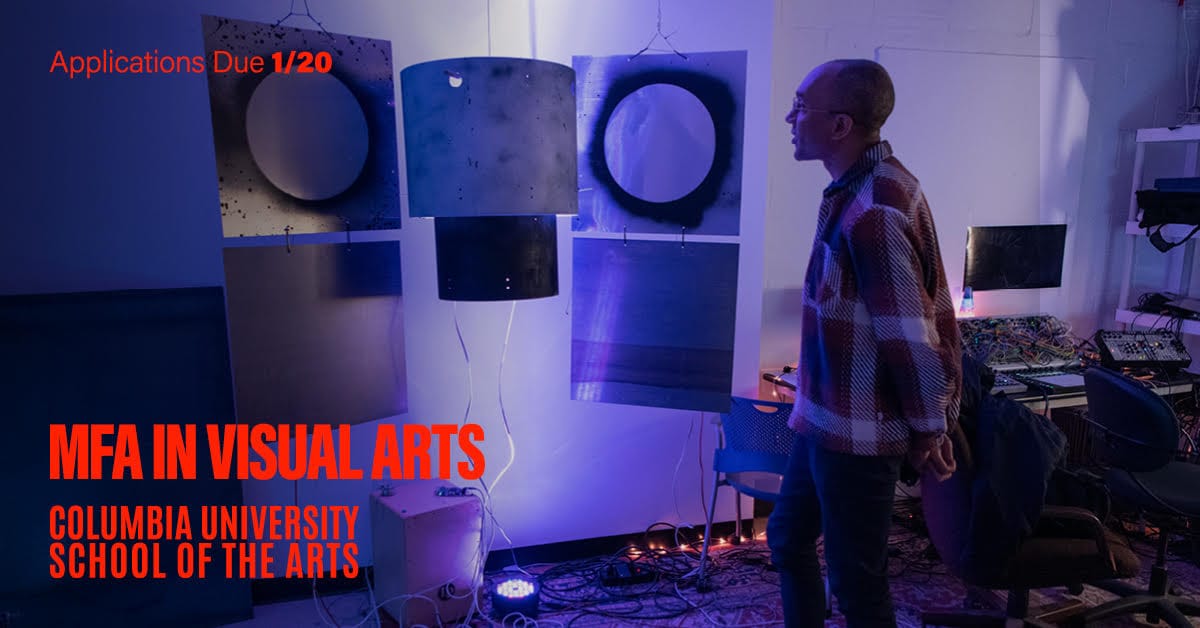
Applications are due January 20, 2027 for Columbia University’s Visual Arts + Sound Art Program. Start your application today and join us for an info session on November 15.
Create what comes next with Columbia’s world-renowned faculty in NYC.
Learn more
News
Bridge to an Unseen Shore: New Age Music as Visionary Art
A cultural history of New Age music, from its countercultural origins in the ‘70s to its lasting influence today — with interviews from the artists who defined the genre.
Learn more
From Our Critics
Artist Spotlight
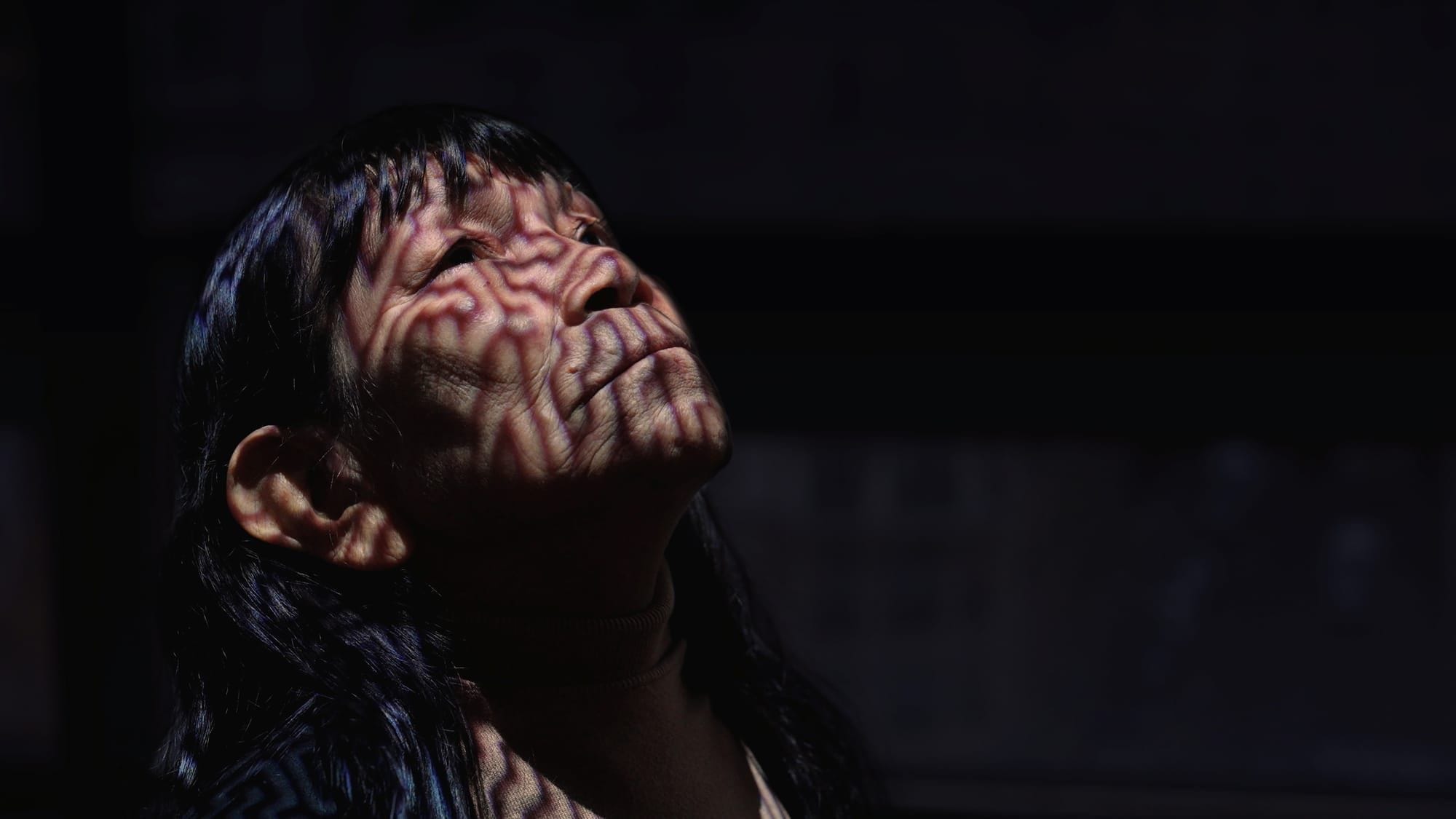
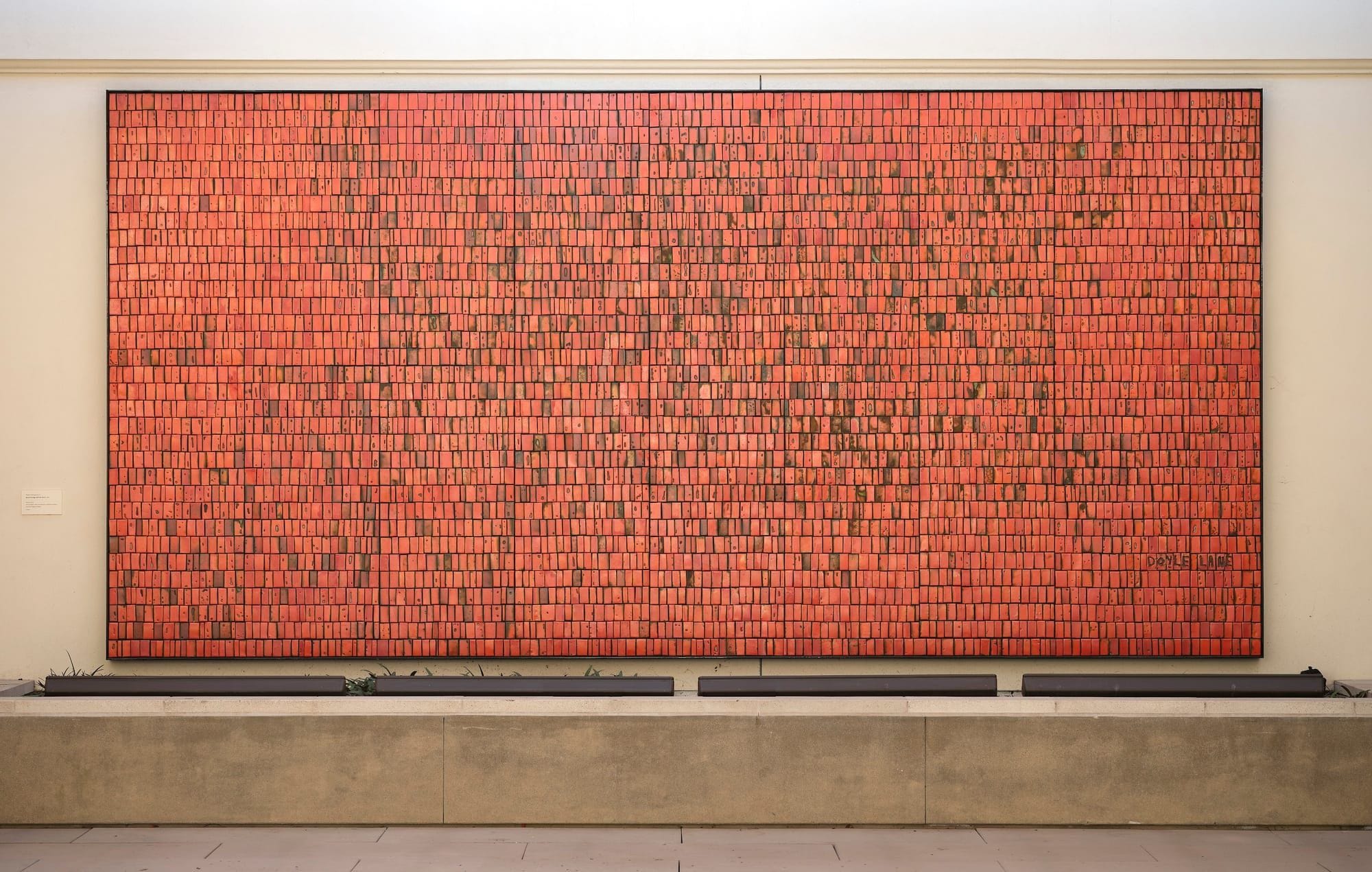
“Doyle Lane: Master of Clay” Now on View at The Huntington
Discover the first major museum retrospective devoted to the influential Los Angeles ceramic artist.
Learn more
Film
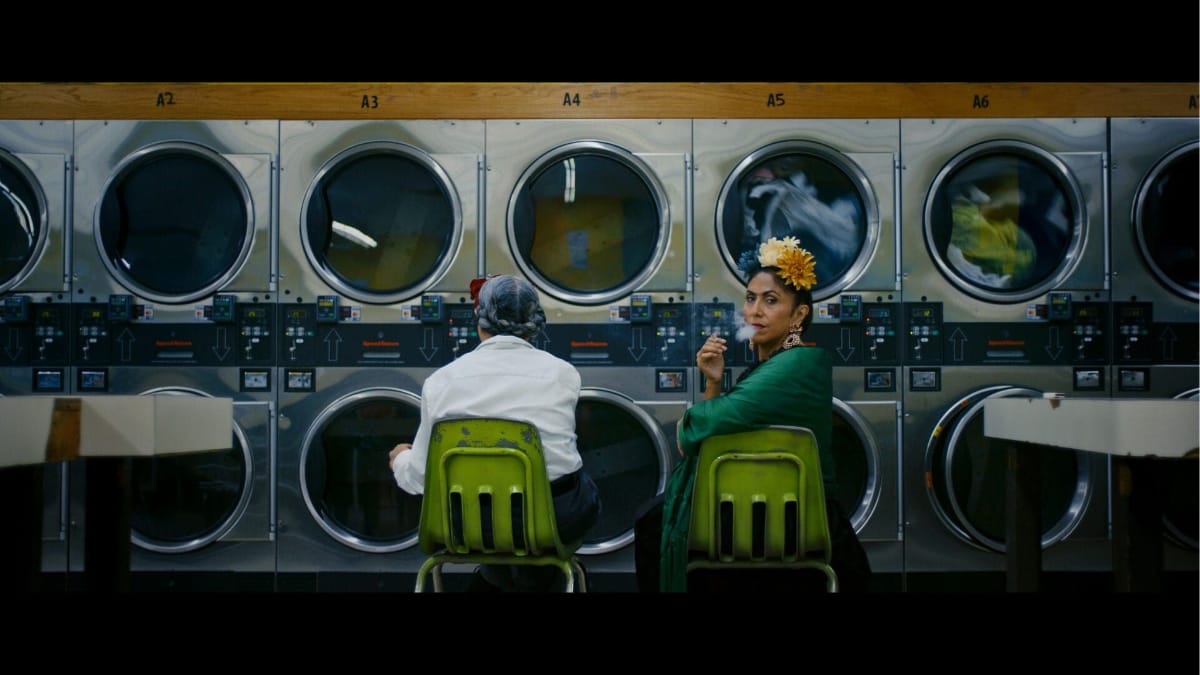

- Saturday Night Live has long stopped being funny, but Shane Gillis’s awful and sexist monologue this weekend, in which he referred to women who wear shorts at the gym as “whores,” is a new level of egregious. [New York Times]
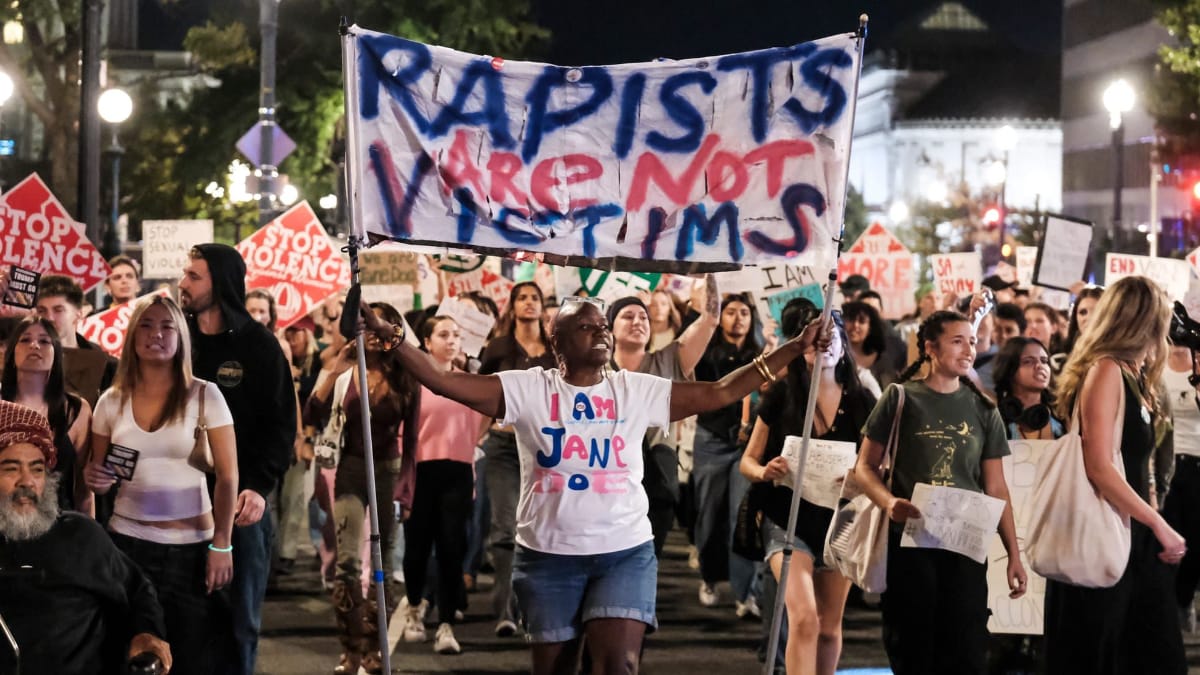
- Carron J. Phillips imagines the public response to the “Cornell 7” alleged gang rape if the accused were Black men, writing for Madame Noire on “the inequalities of justice in America, along with the idea that a certain segment of people are historically viewed as being ‘above’ such behavior.”
- In the ’60s and ’70s, underground filmmaker and organizer Jonas Mekas mused on avant-garde cinema, artistic independence, and the role of institutions in writings for the Village Voice and others. Read a selection of passages on e-flux Notes.
- After years of protests by animal rights activists, New York City is set to approve a ban on Central Park carriage horses. [Gothamist]
- The fallout from generative AI continues. Getty Images intends to file for bankruptcy and go private, with CEO Craig Peters citing the rise of AI images as contributing to “declining agency demand” for original photographs. Fascinating, and very, very sad. [Fast Company]
—jskanderson on “Turning Turner’s Legacy”
From the Archive